Body encyclopedia Celestial Bodies
Celestial bodies
From the Sun to the comets, every body has a profile of its own.
The Sun, the eight planets and Pluto, representative moons, and well-known asteroids and comets: every profile has core parameters, further reading and trusted sources.
01 / Sun, planets and Pluto
The Sun, planets and Pluto
One star, eight planets, and Pluto, classed as a dwarf planet since 2006, in order of distance from the Sun.
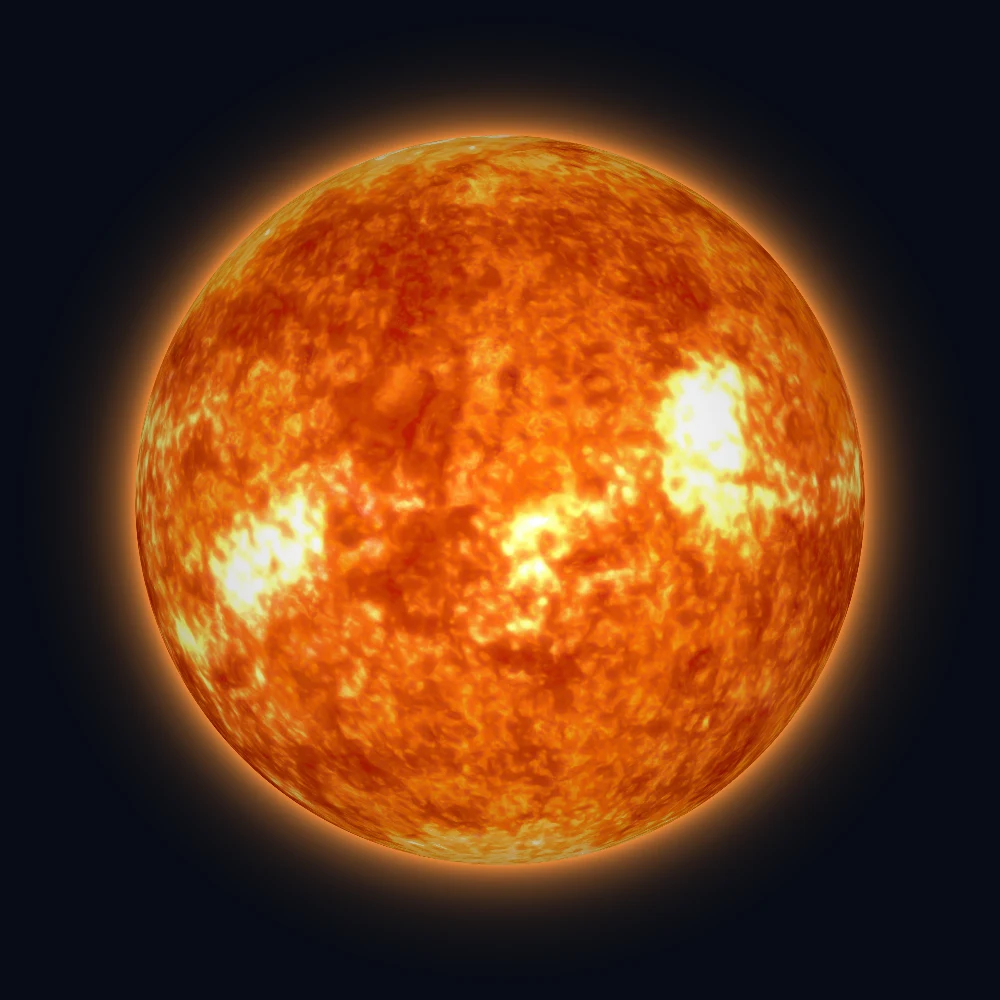
Sun
G-type main-sequence star
The Sun is a G-type main-sequence star containing about 99.86% of the solar system’s mass. Fusion in its core supplies light and heat, while its gravity keeps the planets in orbit.
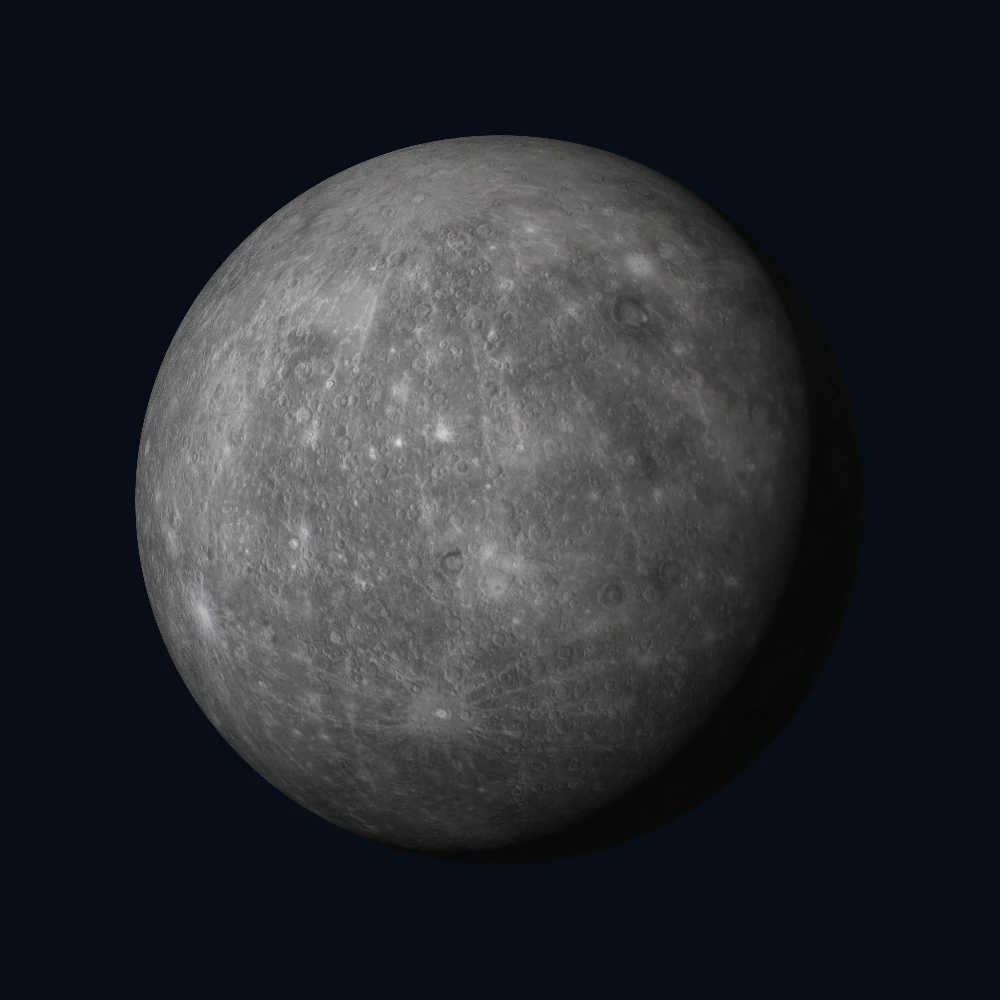
Mercury
Terrestrial planet
The closest and smallest planet. Its rocky surface is covered in impact craters, and its thin exosphere barely retains heat, leading to extreme day–night temperature swings.
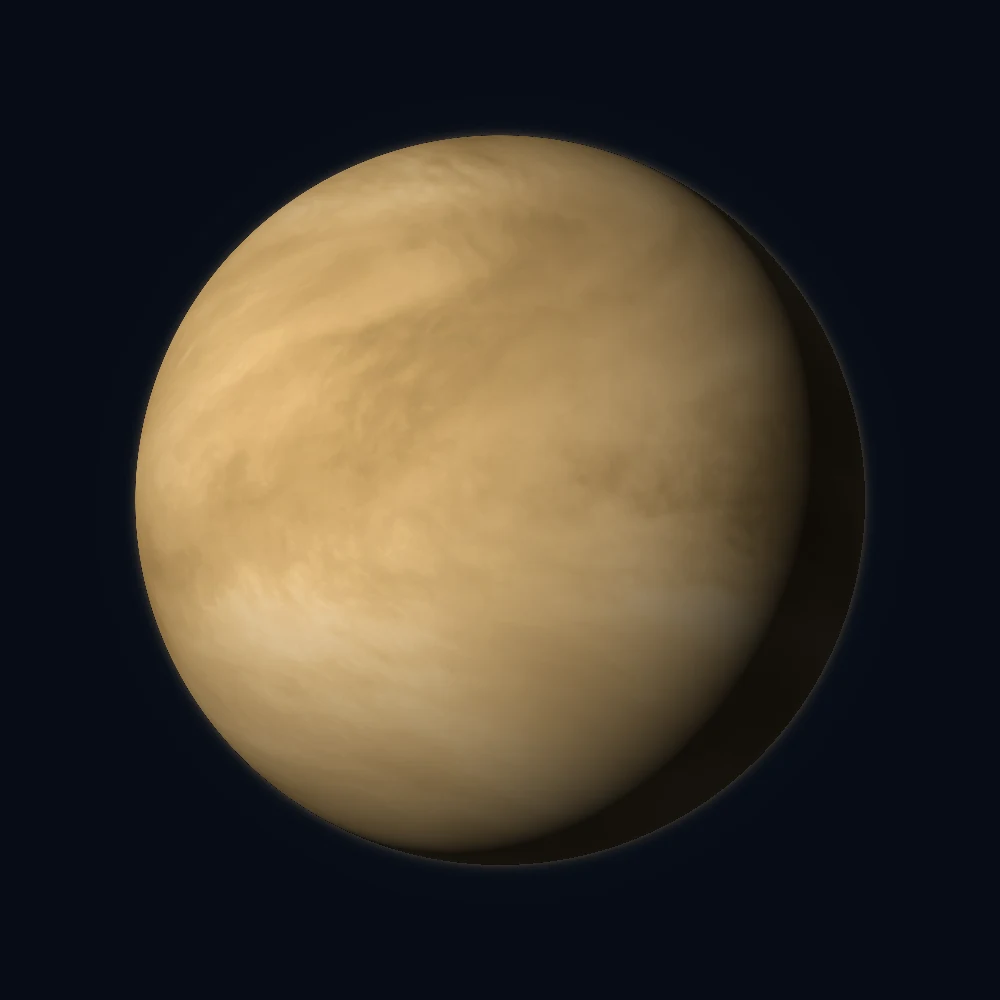
Venus
Terrestrial planet
Similar in size to Earth, but wrapped in a thick carbon-dioxide atmosphere. An intense greenhouse effect makes it the planet with the hottest surface.
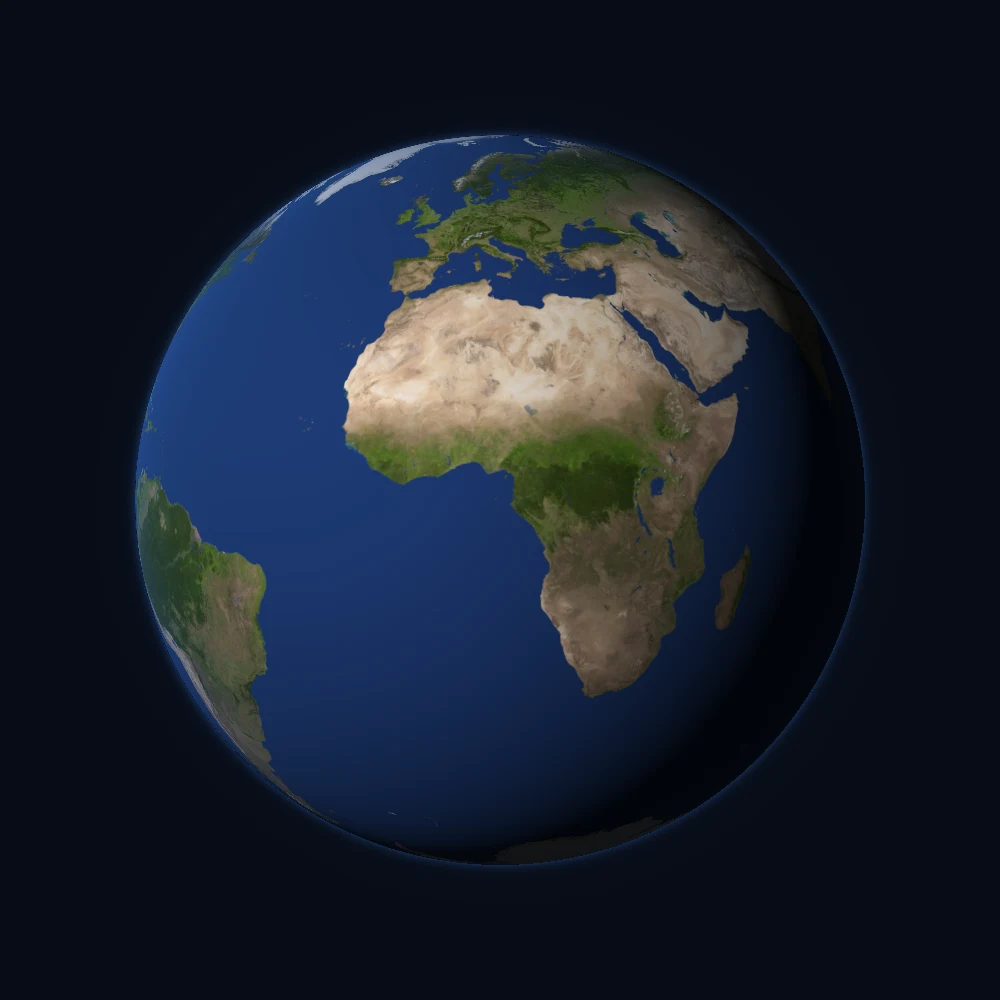
Earth
Terrestrial planet
Our blue home and the only world known to host life. Liquid oceans, a protective atmosphere, and a magnetic field help create a life-friendly environment.
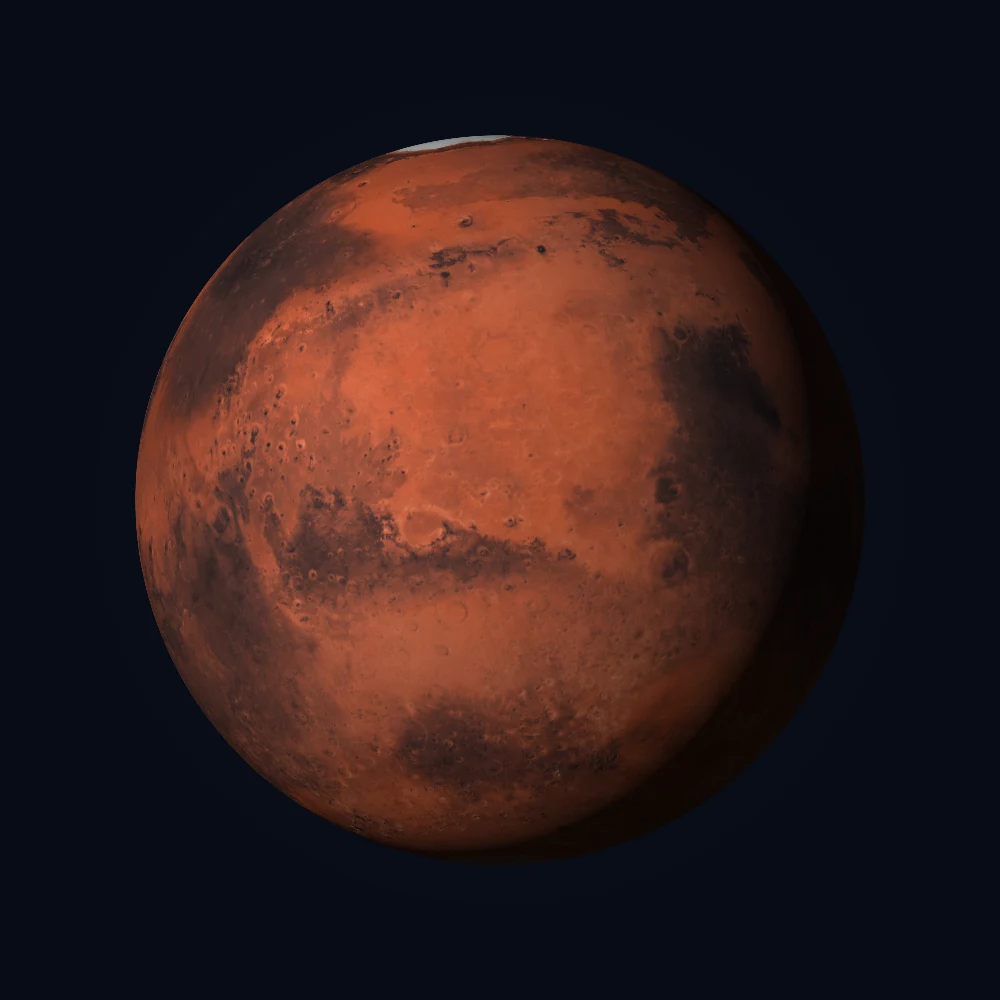
Mars
Terrestrial planet
Iron oxides give the surface its red color. Giant volcanoes, canyons, and polar caps mark this world, while ancient channels record a wetter past.
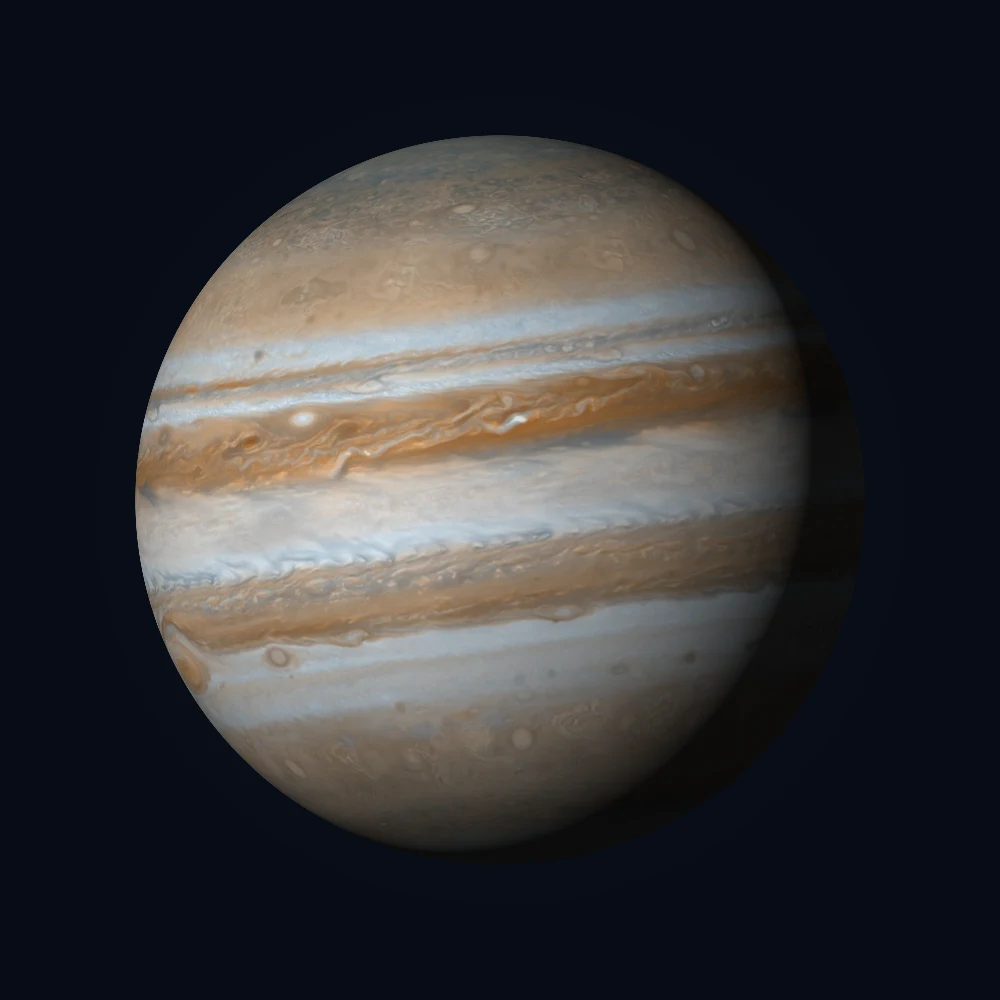
Jupiter
Gas giant
The largest planet, made mostly of hydrogen and helium. Huge storms churn between cloud bands, and a powerful magnetic field surrounds its rich moon system.
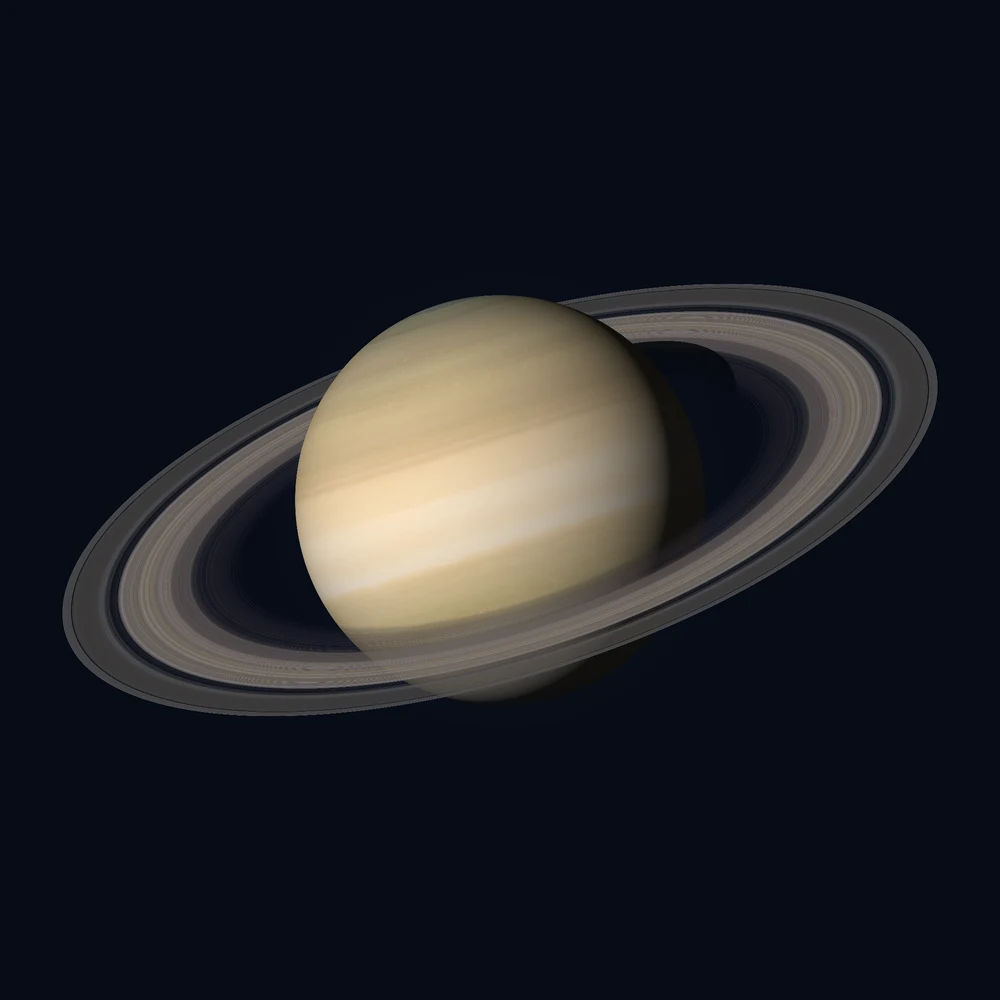
Saturn
Gas giant
Its bright rings contain countless ice and rock particles. Saturn is a low-density gas giant with a large moon family, including Titan.
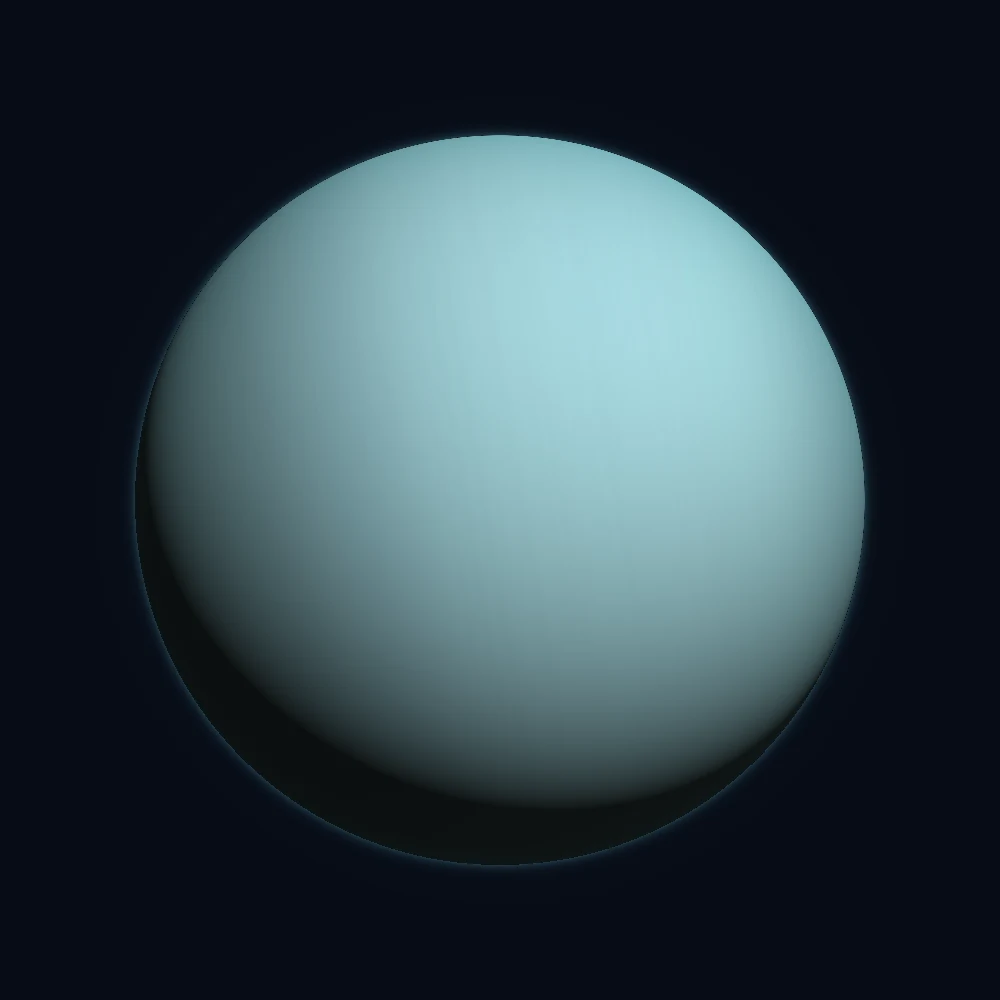
Uranus
Ice giant
Methane absorbs red light, giving its atmosphere a blue-green appearance. Its extreme axial tilt makes it orbit the Sun almost on its side.
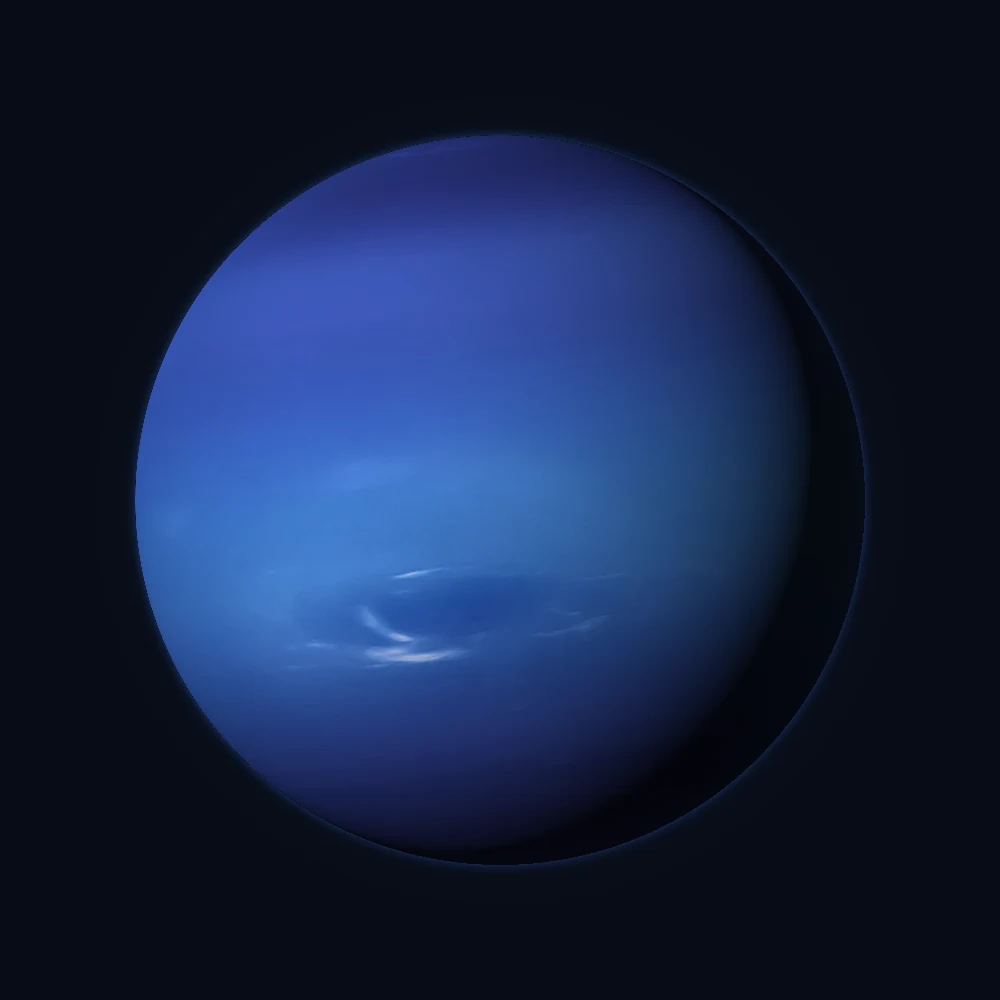
Neptune
Ice giant
The farthest of the eight planets. Strong storms fill its cold atmosphere. Familiar deep-blue images are enhanced; its natural color is paler.
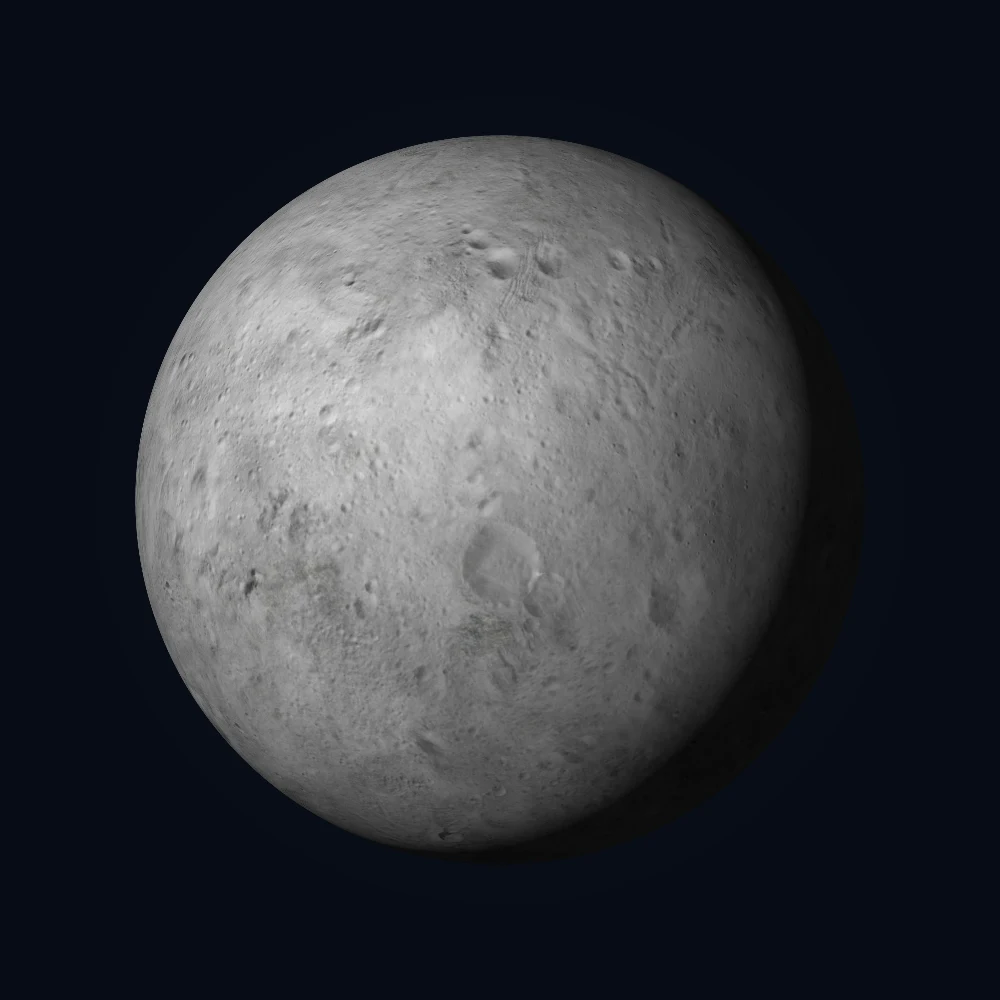
Pluto
Dwarf planet
An icy Kuiper Belt world on a notably inclined, elliptical orbit. Classified as a dwarf planet in 2006, it has Charon as its largest moon.
02 / Moons
Moons
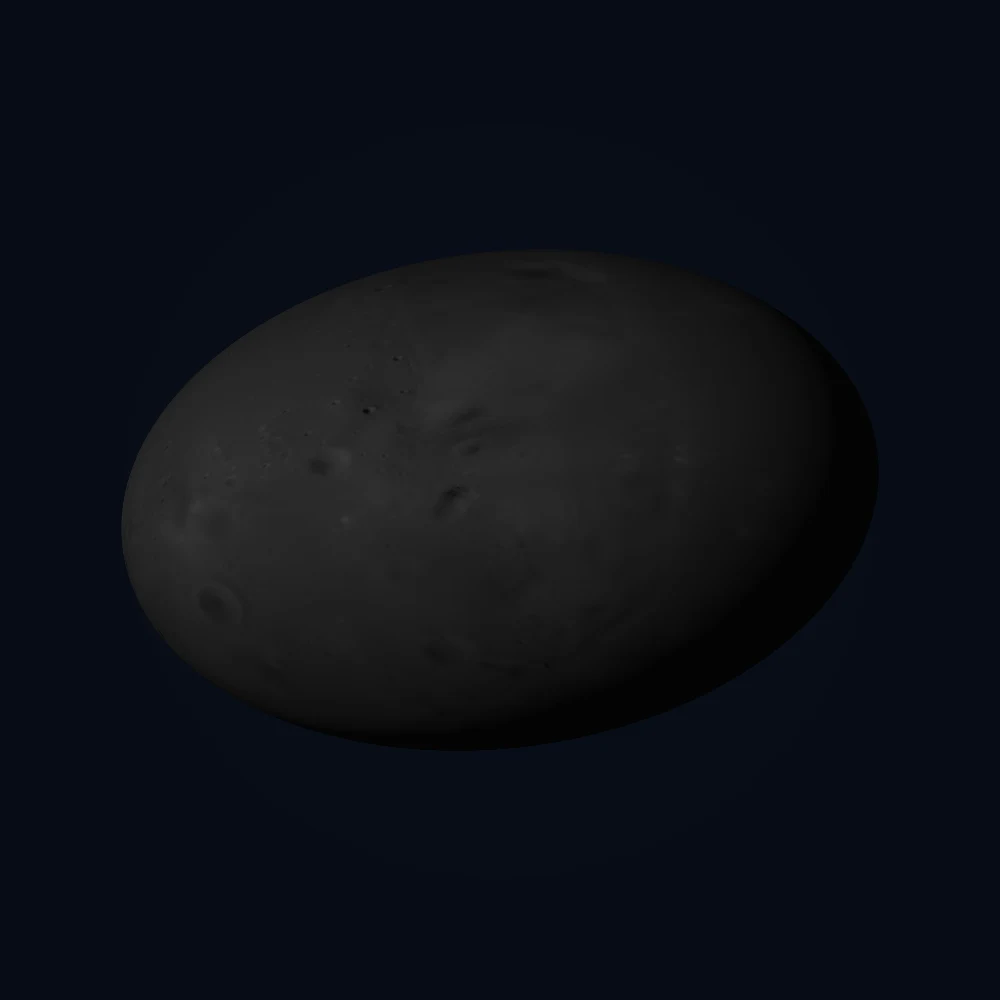
Natural satellites orbit planets. The moons here are representative ones grouped by planet, not a complete list: new small moons are still being discovered.
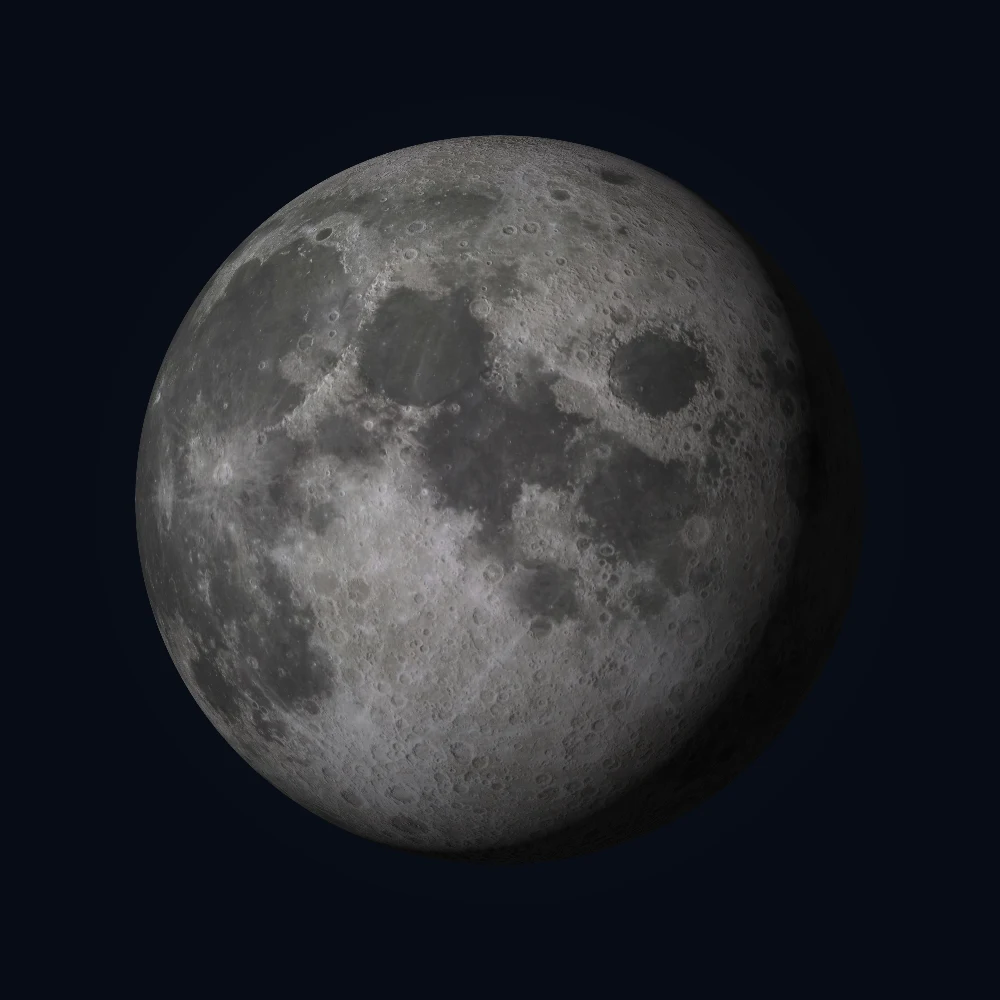
Moons of Mars
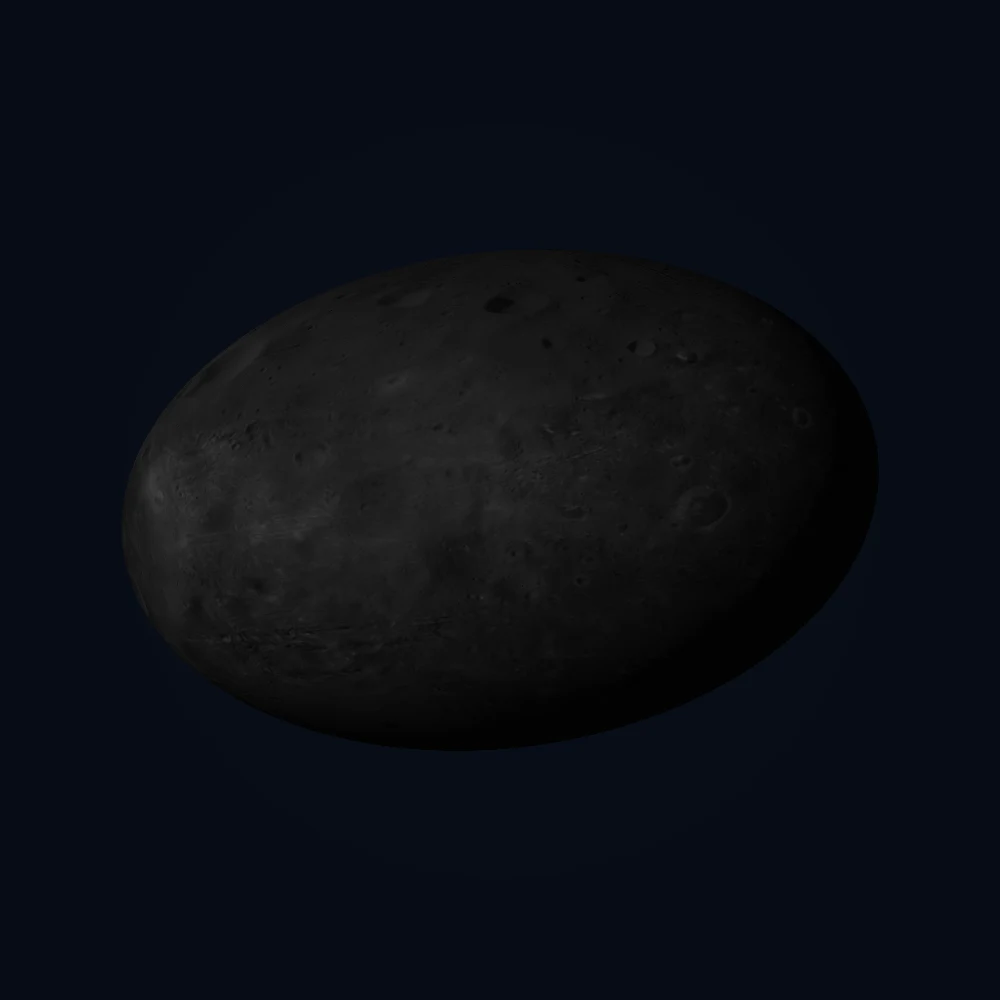
Moons of Jupiter
Io
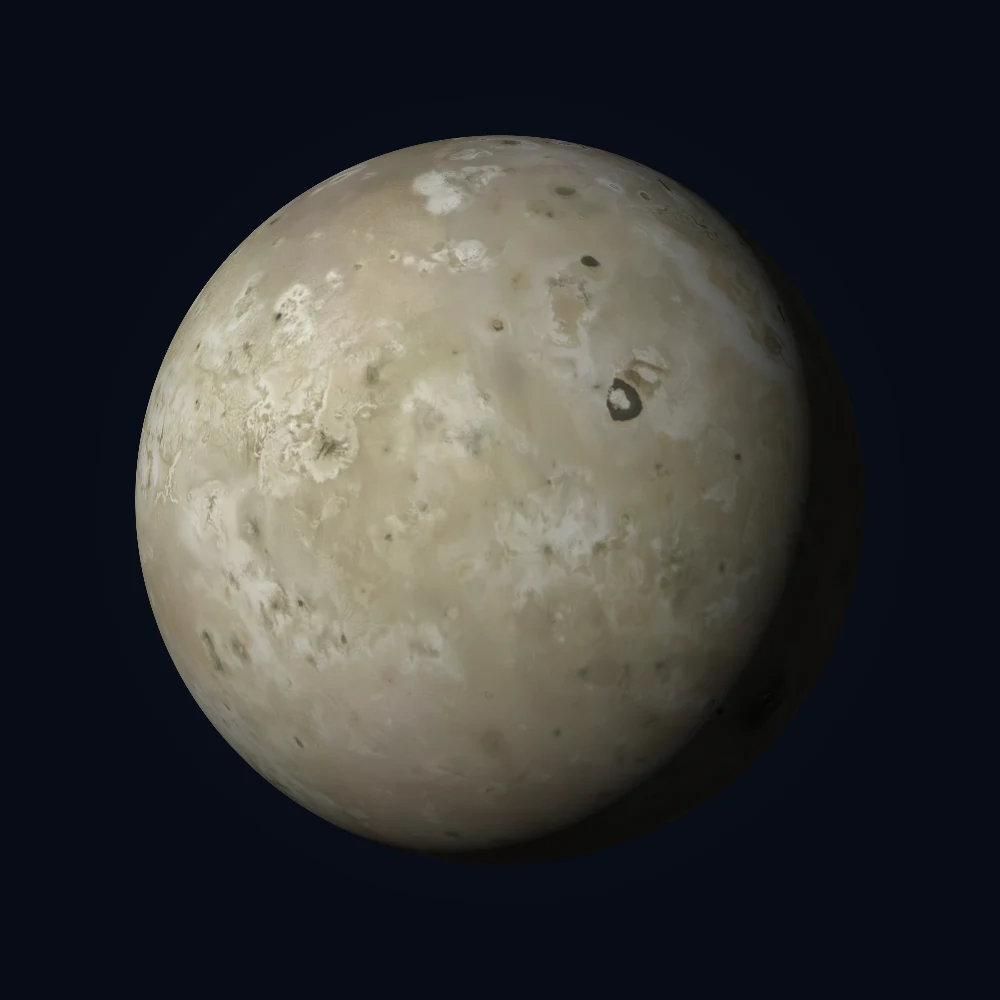
The Solar System's most volcanically active body. Gravitational pulls from Jupiter and other moons create tidal heating that keeps its interior hot.
Europa
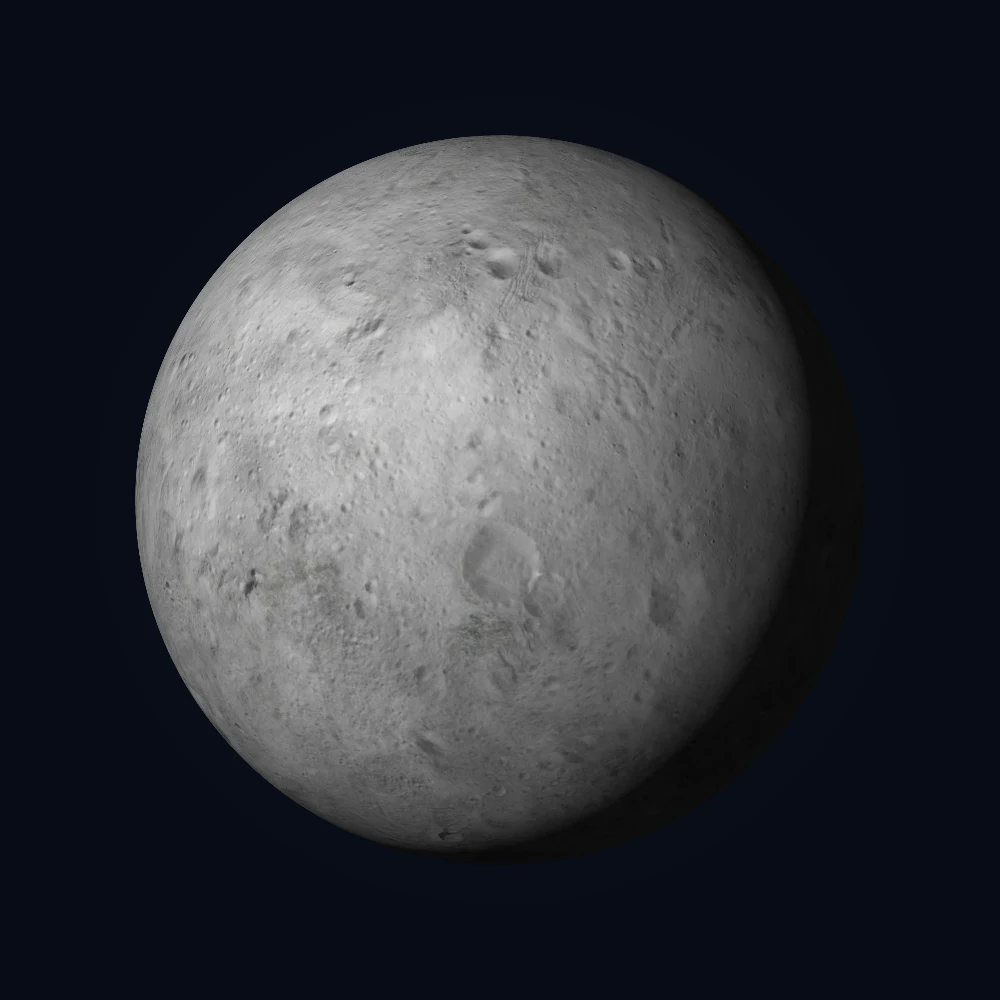
A global liquid ocean likely lies below its ice shell. It is a key target for studying habitable environments, though no life has been found.
Ganymede
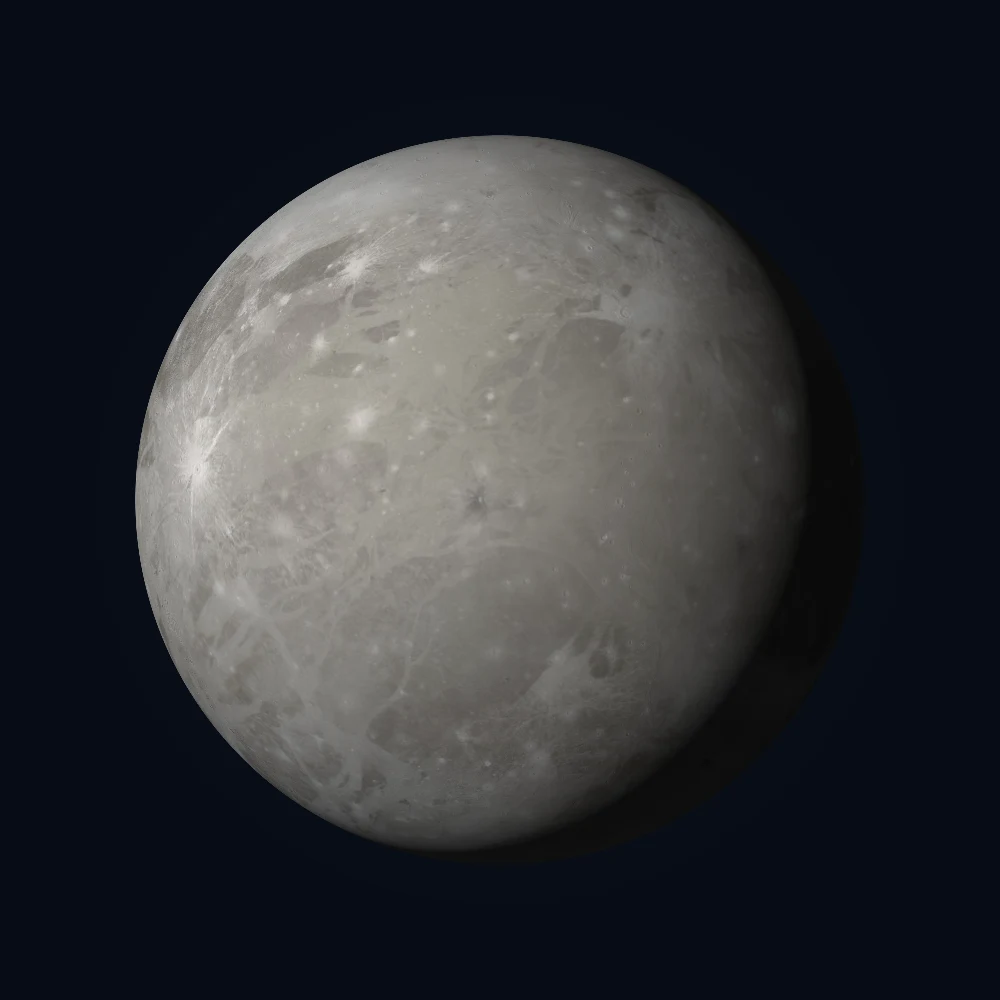
Larger in diameter than Mercury but less massive. It generates its own magnetic field, an unusual property among moons.
Callisto
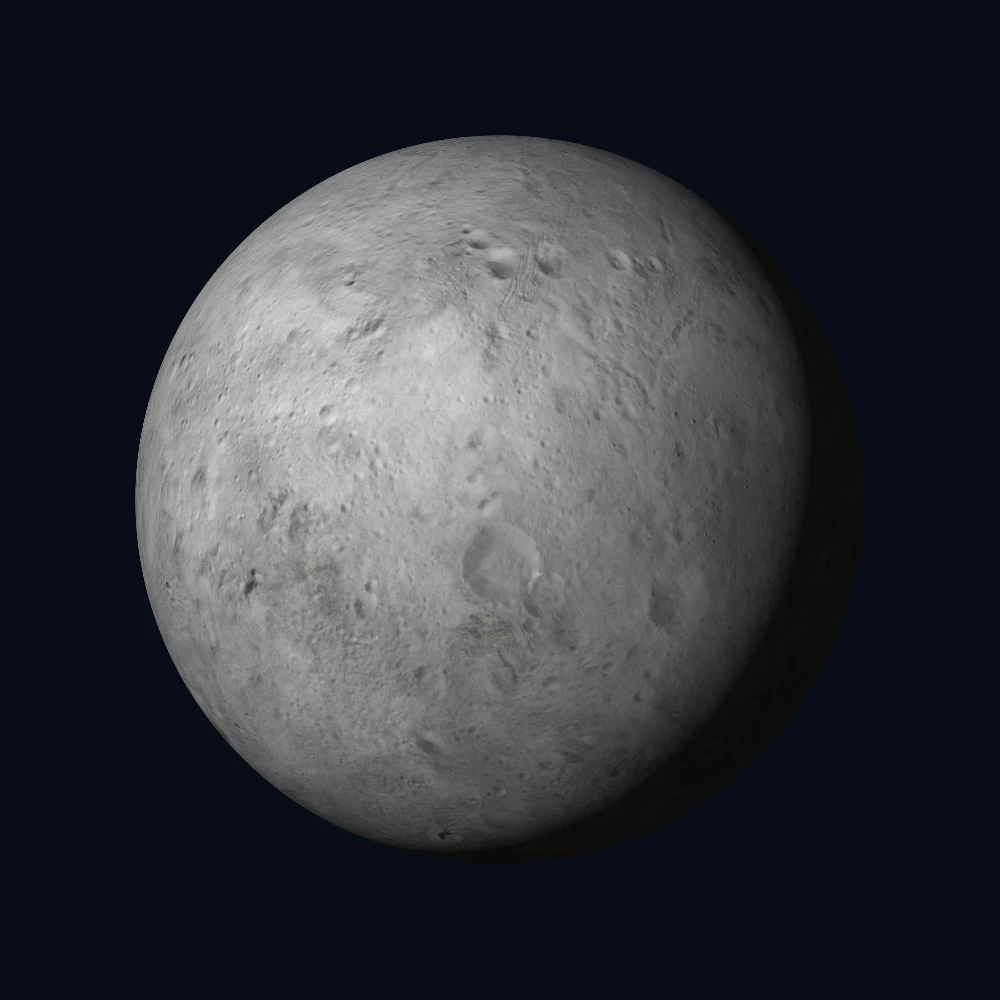
The farthest of the four Galilean moons from Jupiter. Dense craters preserve a long history, and an ocean may exist inside.
Moons of Saturn
Titan
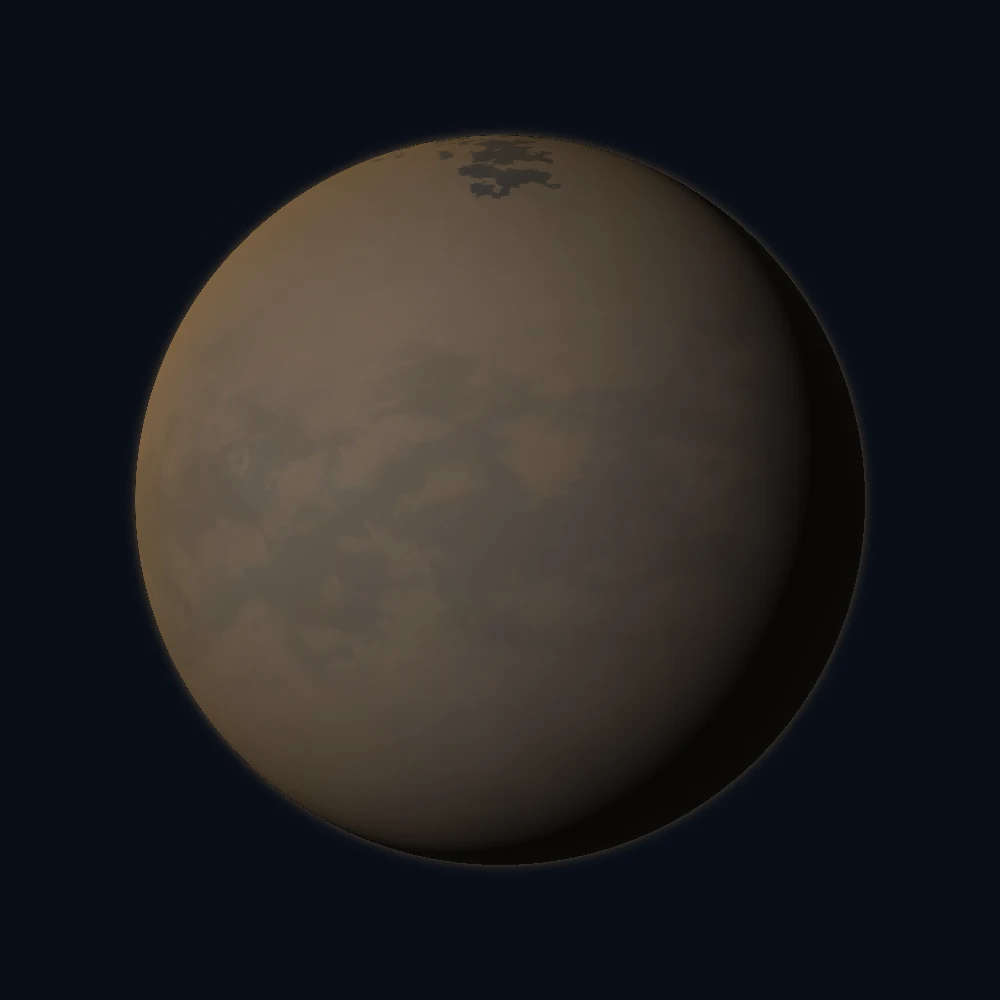
The Solar System's second-largest moon has a thick, nitrogen-rich atmosphere. Liquid methane and ethane form rivers, lakes, and seas on the surface.
Enceladus
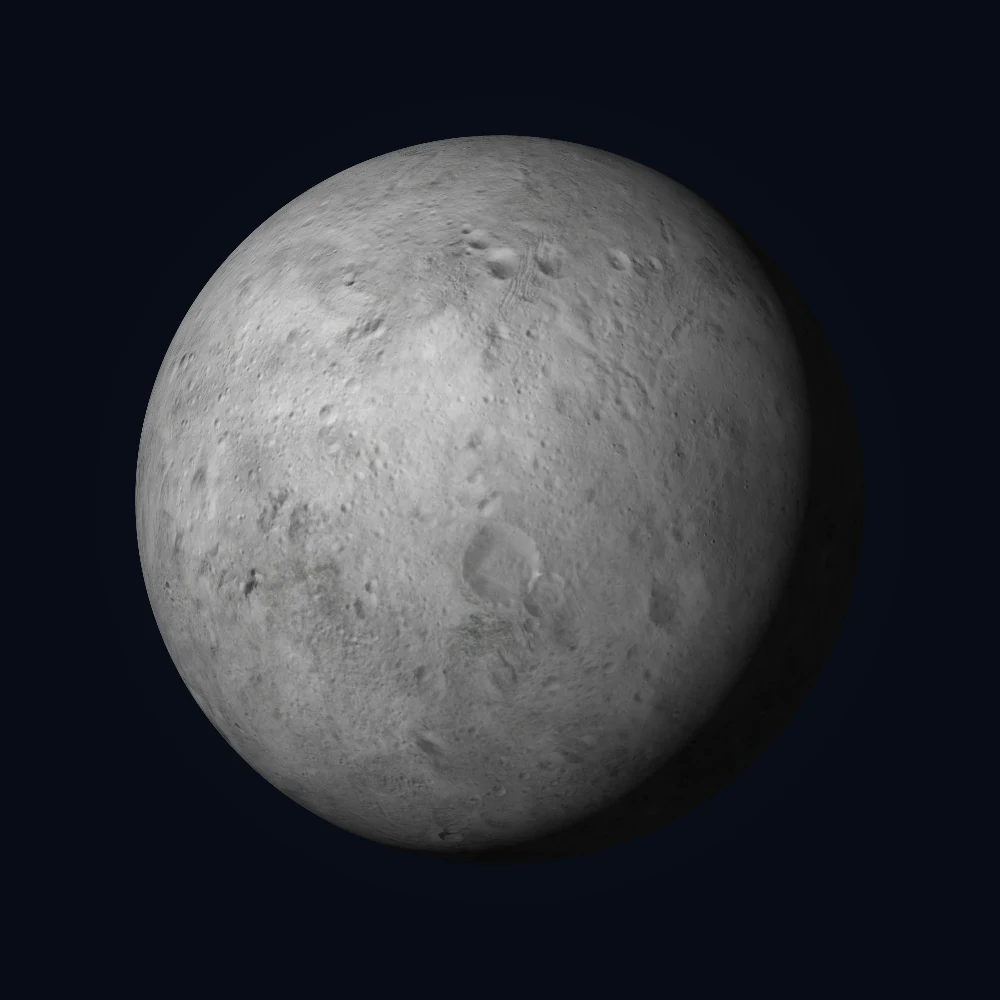
A global ocean lies beneath its ice shell. Water vapor and ice grains jet from south-polar fissures, revealing clues to its interior and replenishing Saturn's E ring.
Mimas
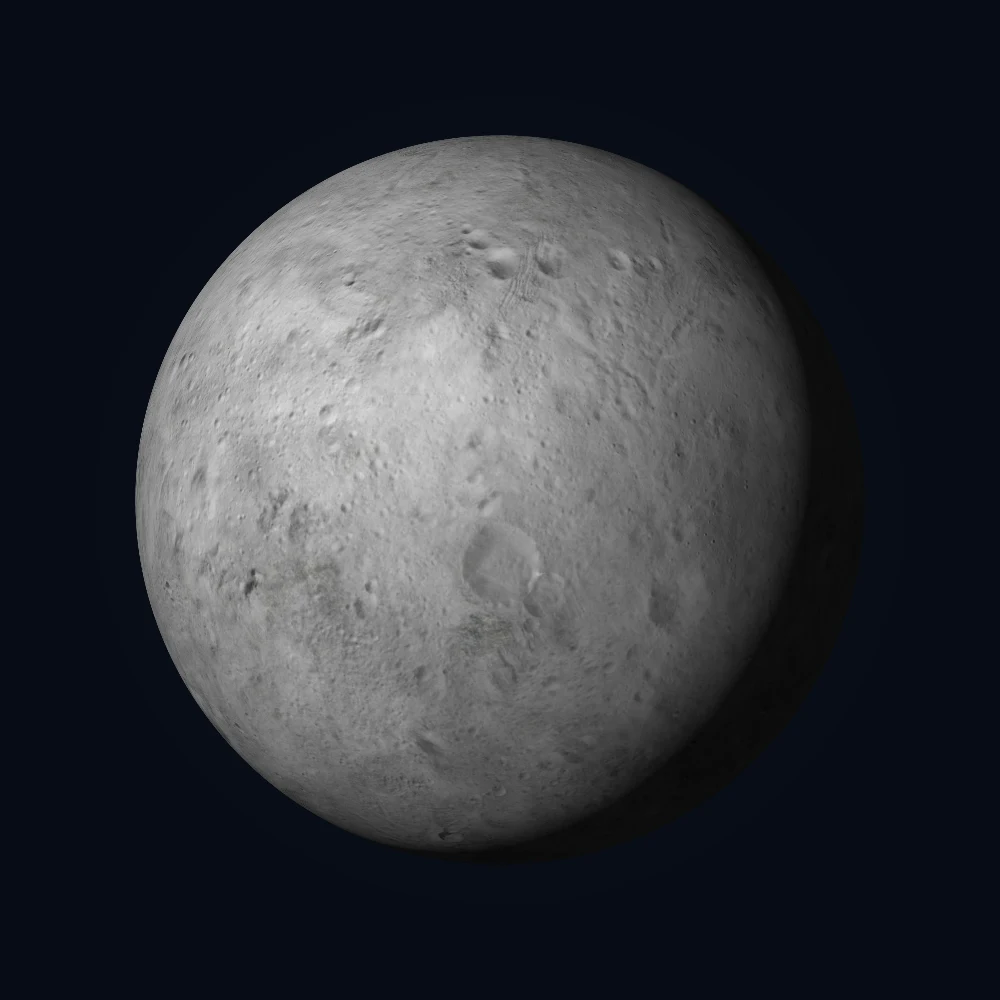
A small moon with a huge crater covering a conspicuous part of its surface. An ancient impact left it with a striking appearance.
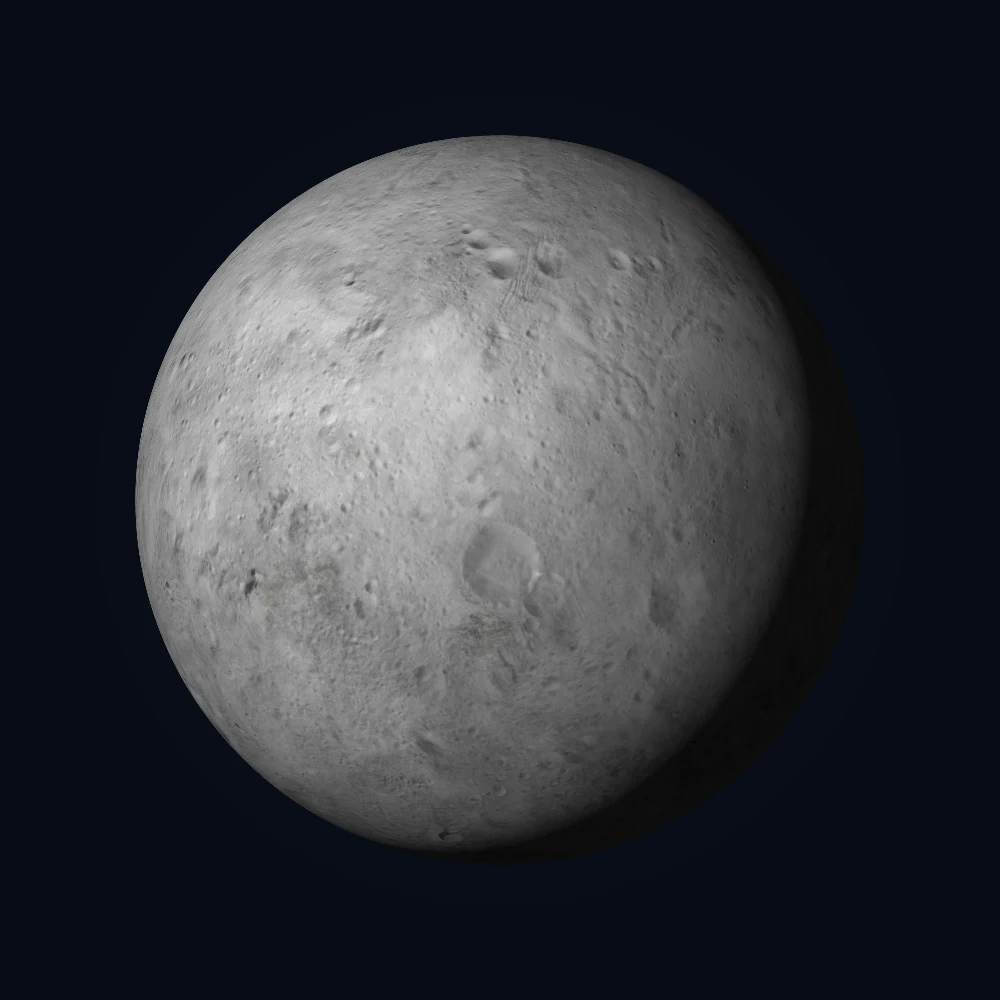
Iapetus
Its hemispheres differ greatly in brightness, and an unusual ridge runs near the equator. It shows how ice, dust, and sunlight can reshape a surface.
Moons of Uranus
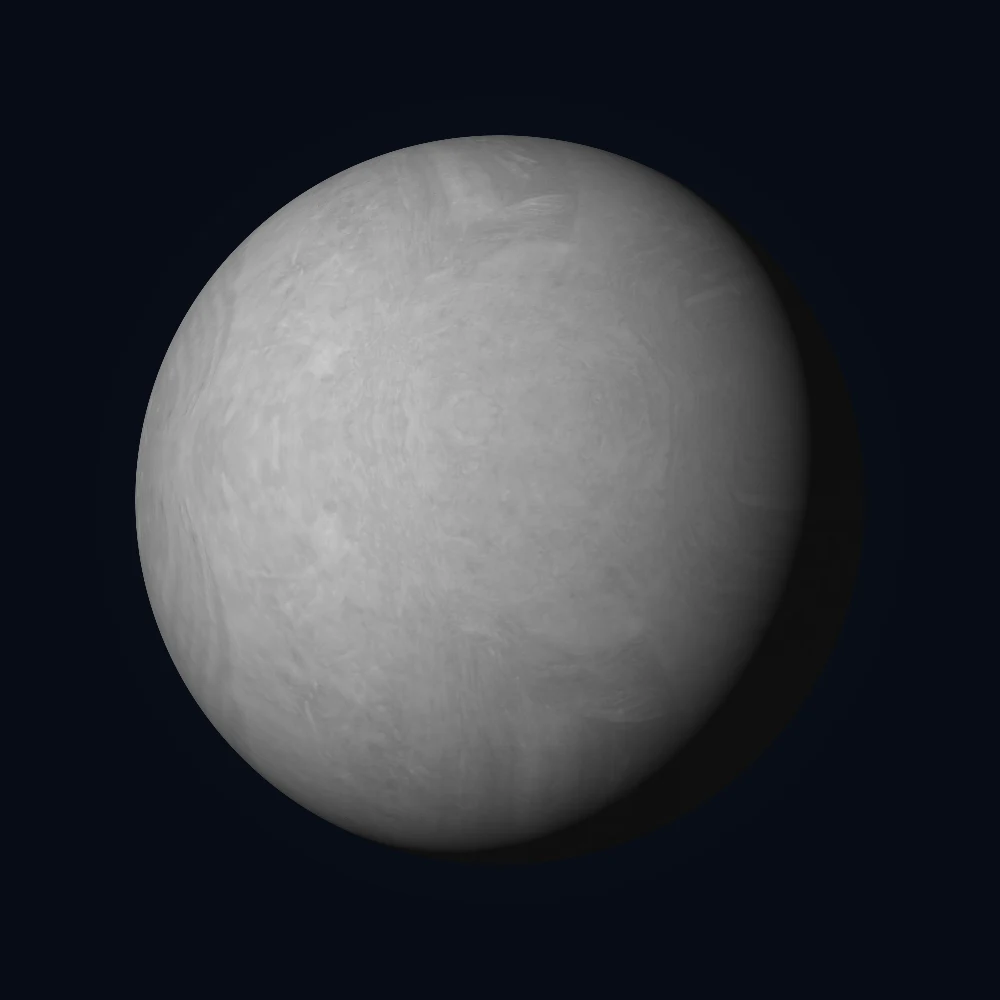
Miranda
The smallest and innermost of the five major moons. Cliffs, grooves, and terrain of different ages record a complex geological history.
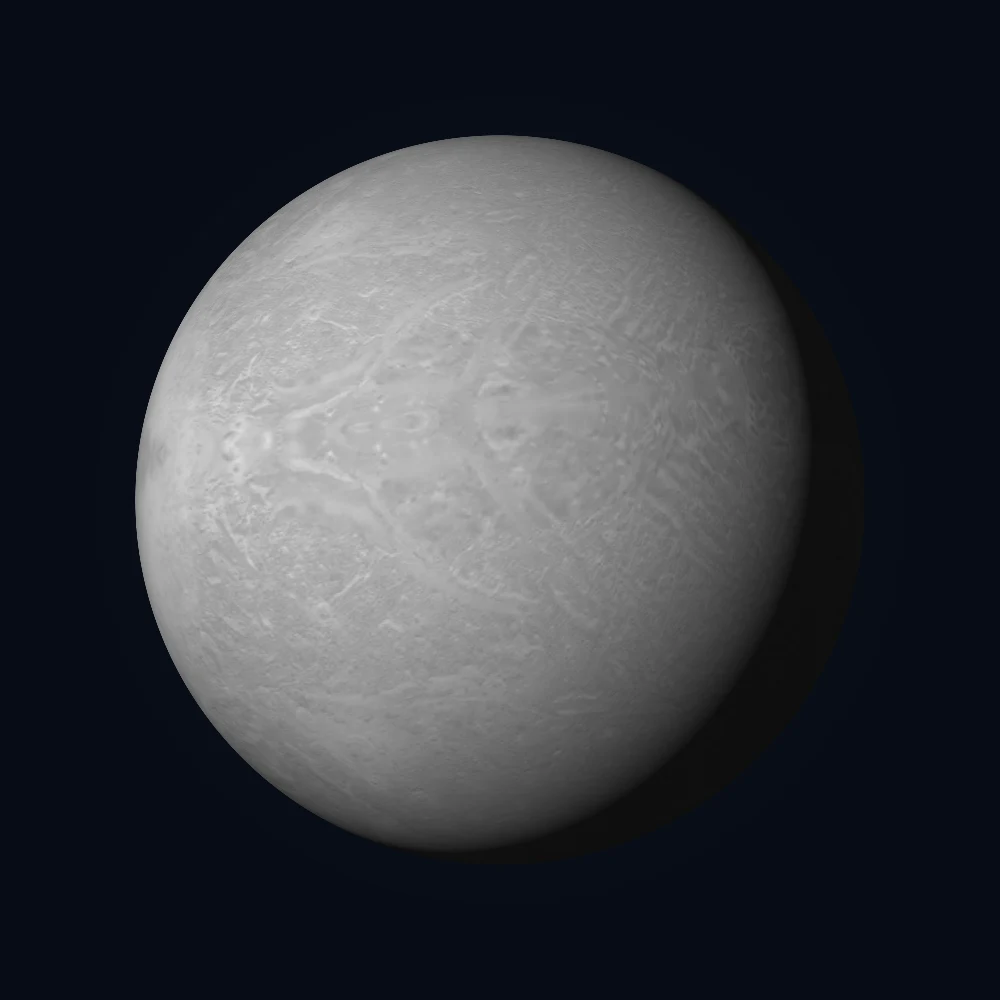
Ariel
Crossing canyons and grooves cover its surface. Relatively few huge craters suggest parts of the terrain were resurfaced.
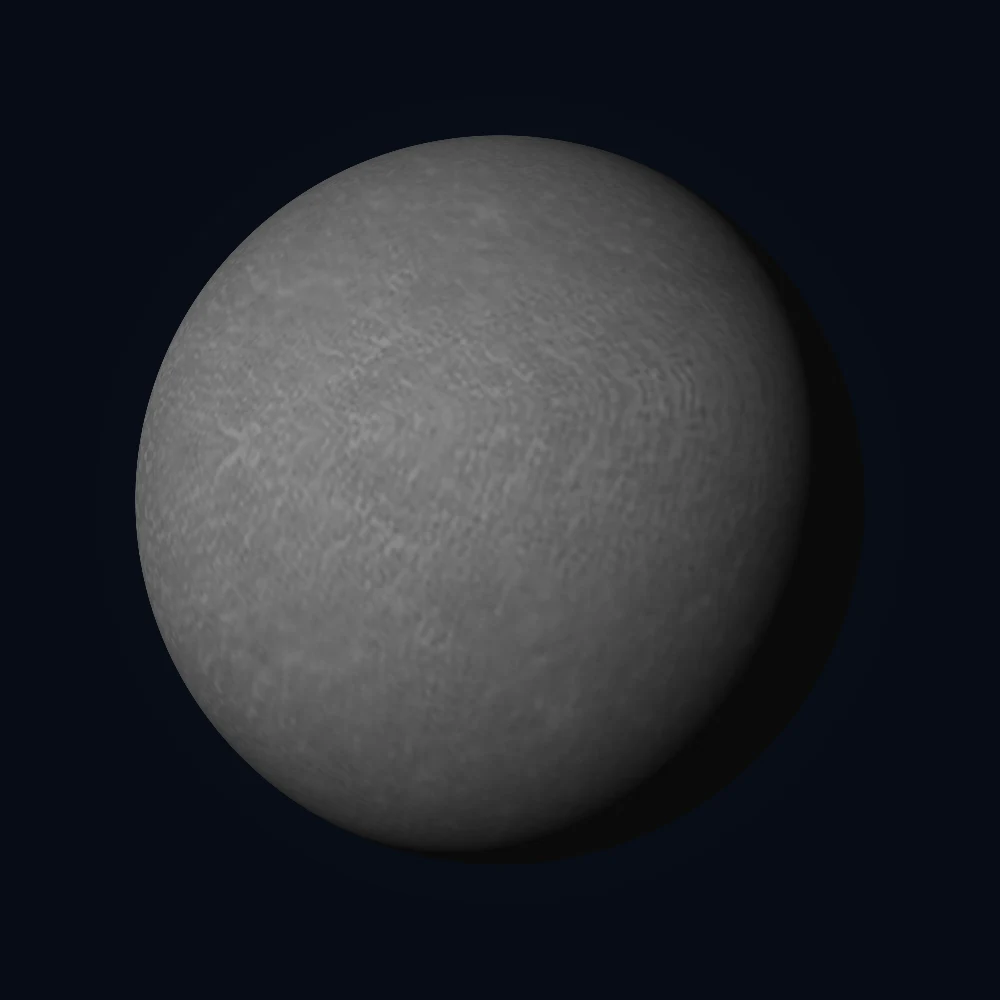
Umbriel
The darkest of the five major moons, with a heavily cratered surface and a distinctive bright ring-shaped feature near its equator.
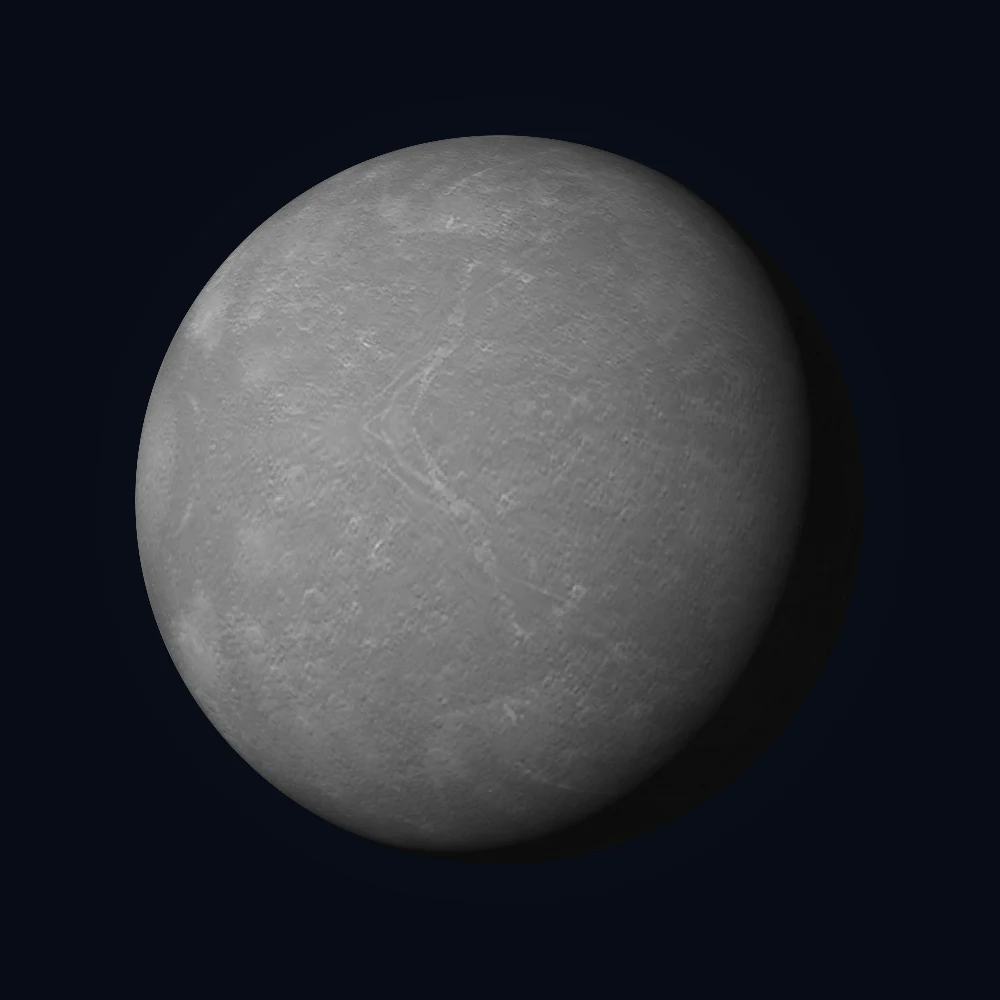
Titania
A world of ice and rock. Huge faults and canyons suggest internal evolution once stretched its outer shell.
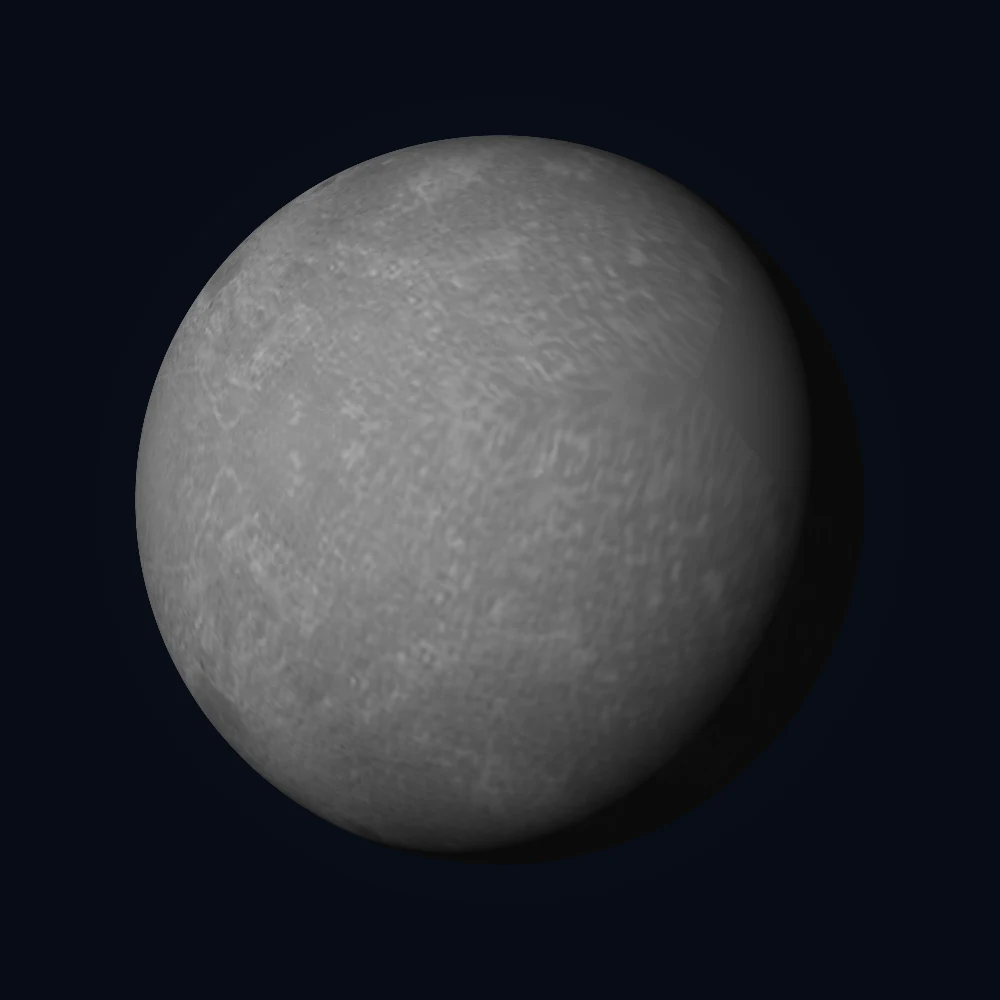
Oberon
Uranus's second-largest moon has an ancient, heavily cratered surface. Dark material covers the floors of some craters.
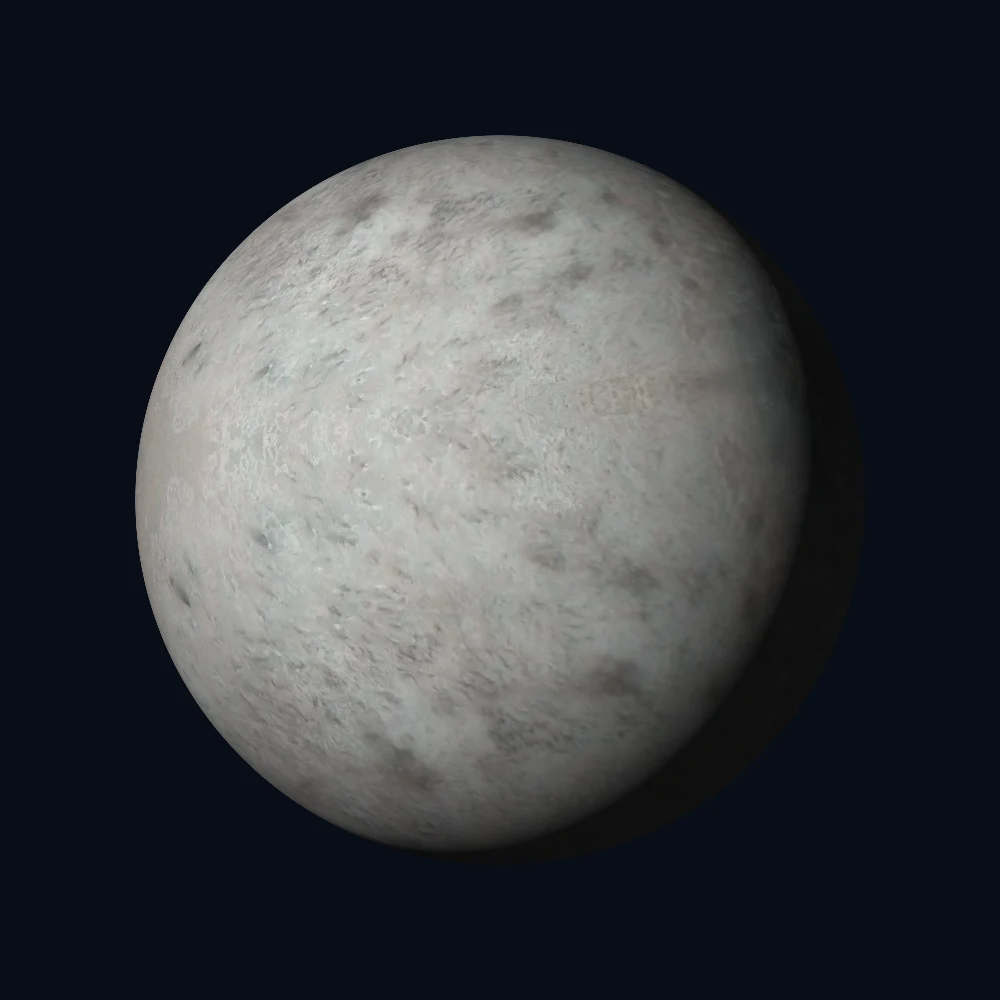
Moons of Neptune
03 / Asteroids
Asteroids
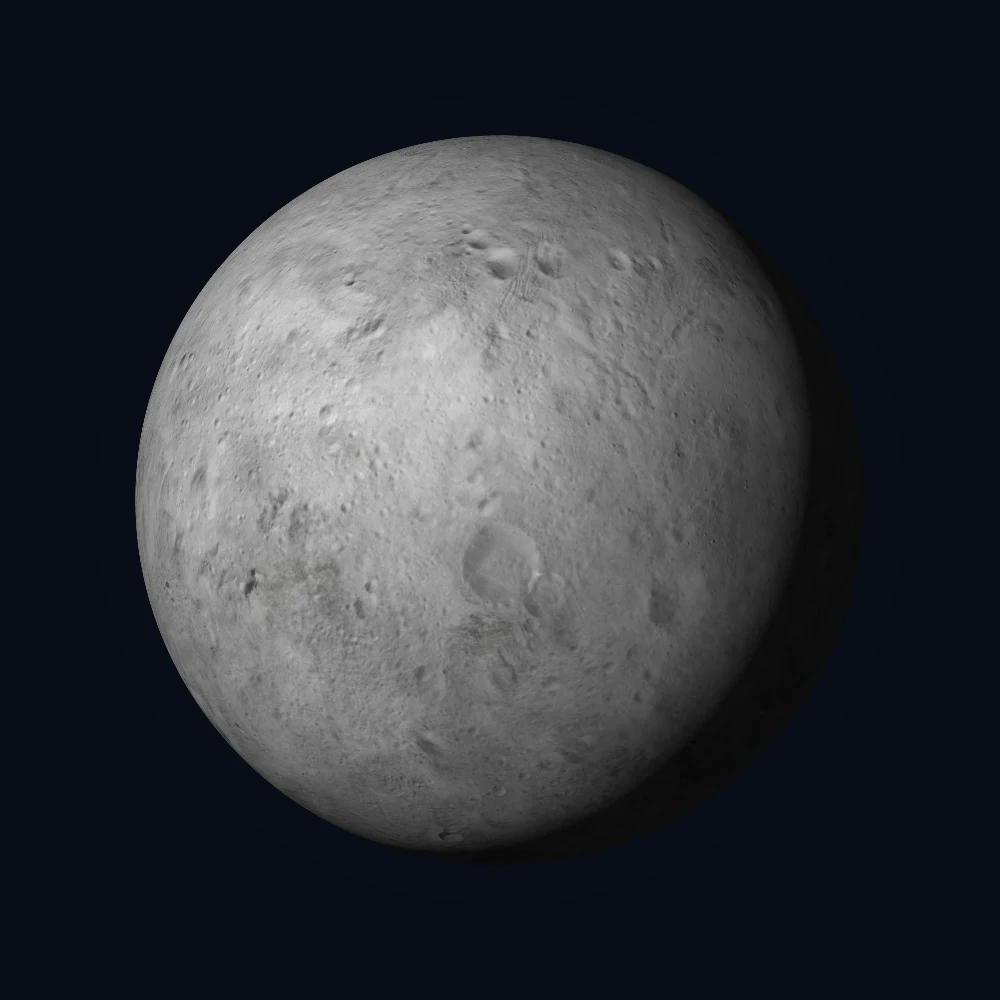
Small rocky bodies orbiting the Sun: several large main-belt asteroids, and near-Earth asteroids that spacecraft have visited up close. Ceres is the only dwarf planet in the main belt.
Ceres
Dwarf planet
The largest body in the asteroid belt and the only dwarf planet in the inner solar system, Ceres is a world shaped by rock and ice.
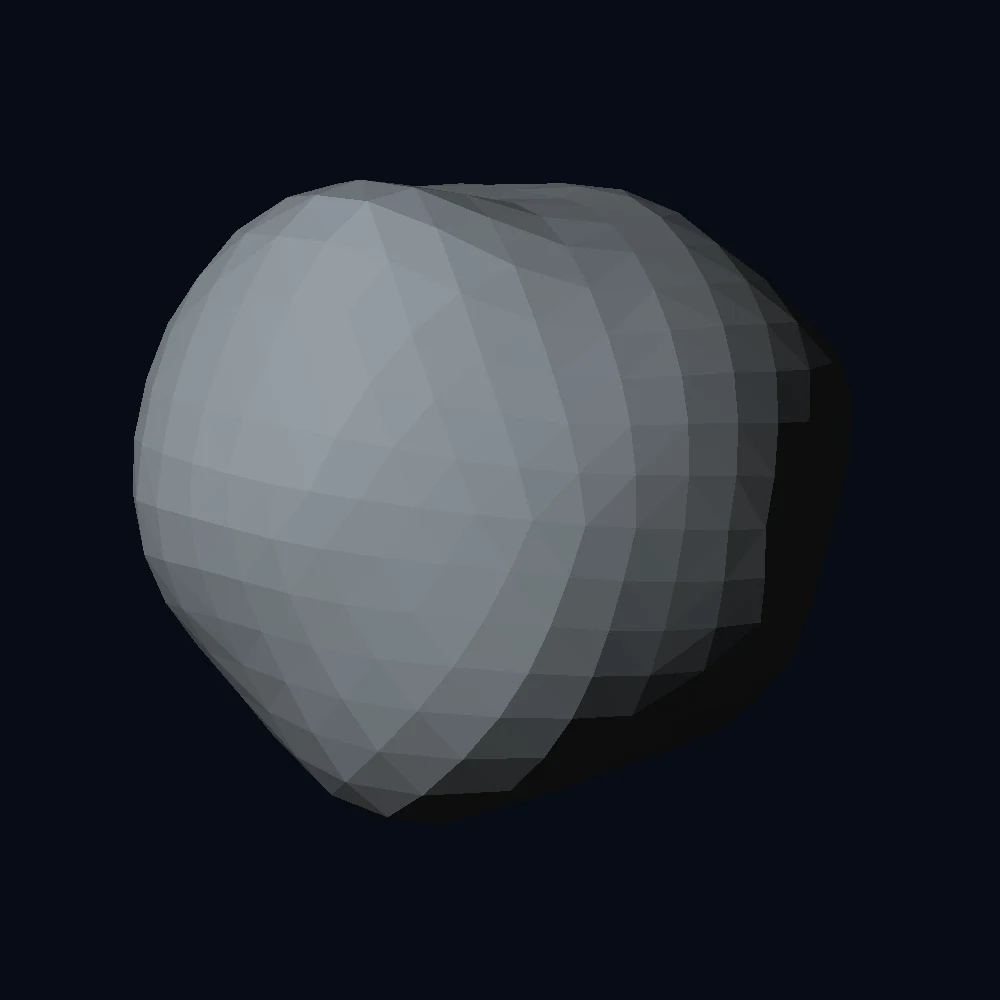
Pallas
Main-belt asteroid
A large main-belt asteroid distinguished by its highly inclined orbit and heavily cratered surface.
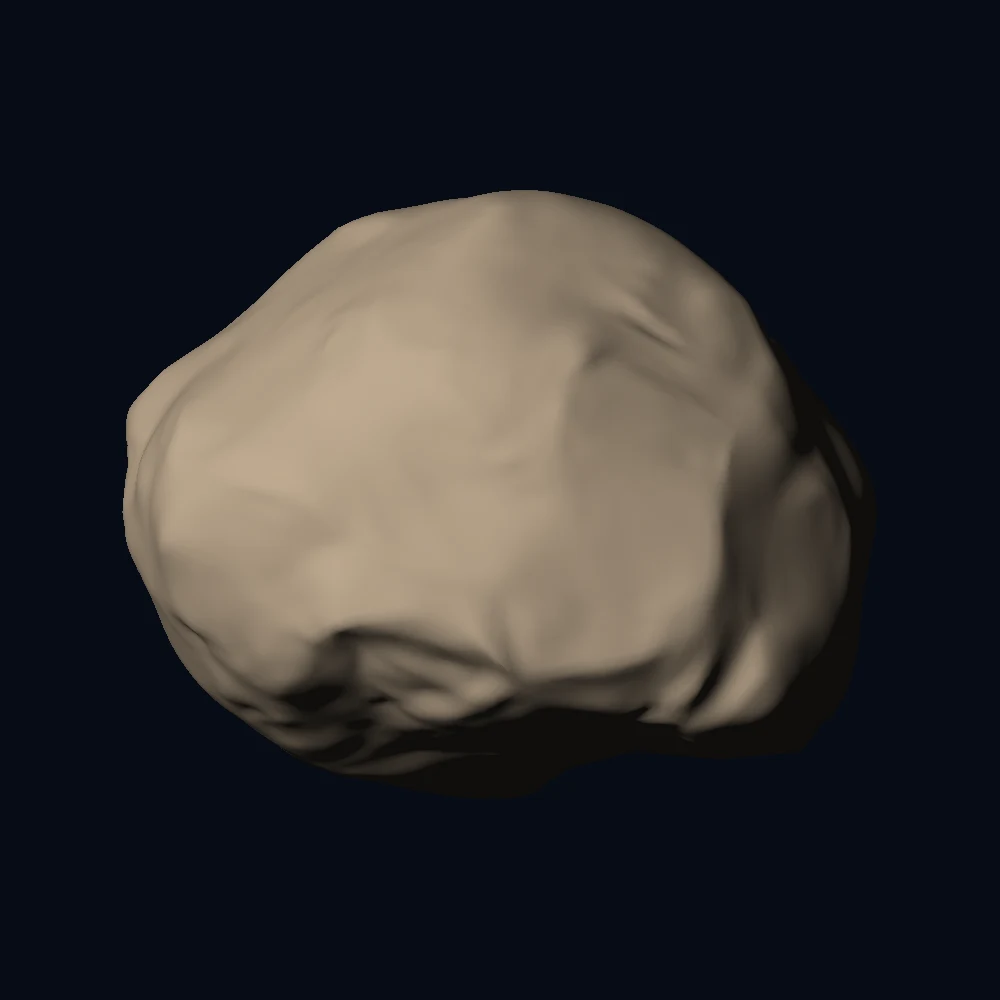
Juno
Main-belt asteroid
Numbered 3, Juno is a rocky main-belt asteroid following a noticeably eccentric ellipse around the Sun.
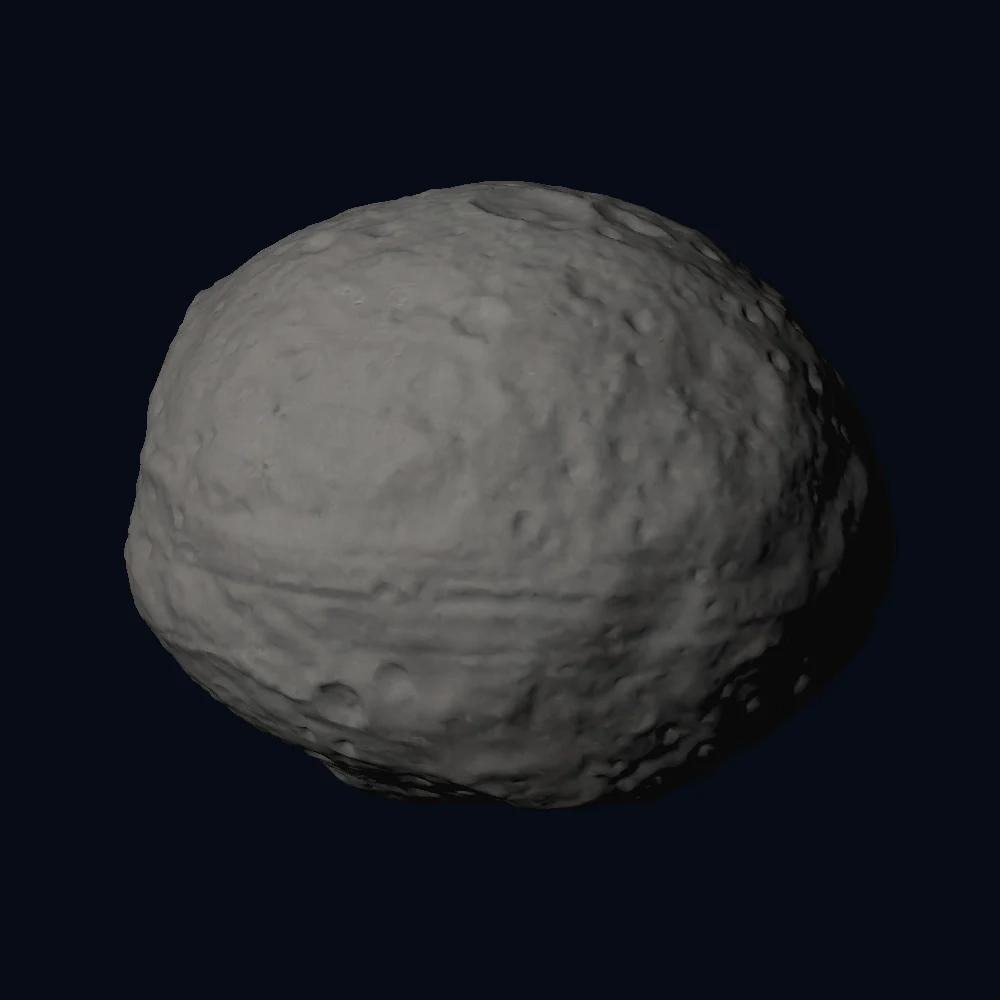
Vesta
Main-belt asteroid
A large main-belt body preserving evidence of early differentiation and volcanism, Vesta was an orbital target of Dawn.
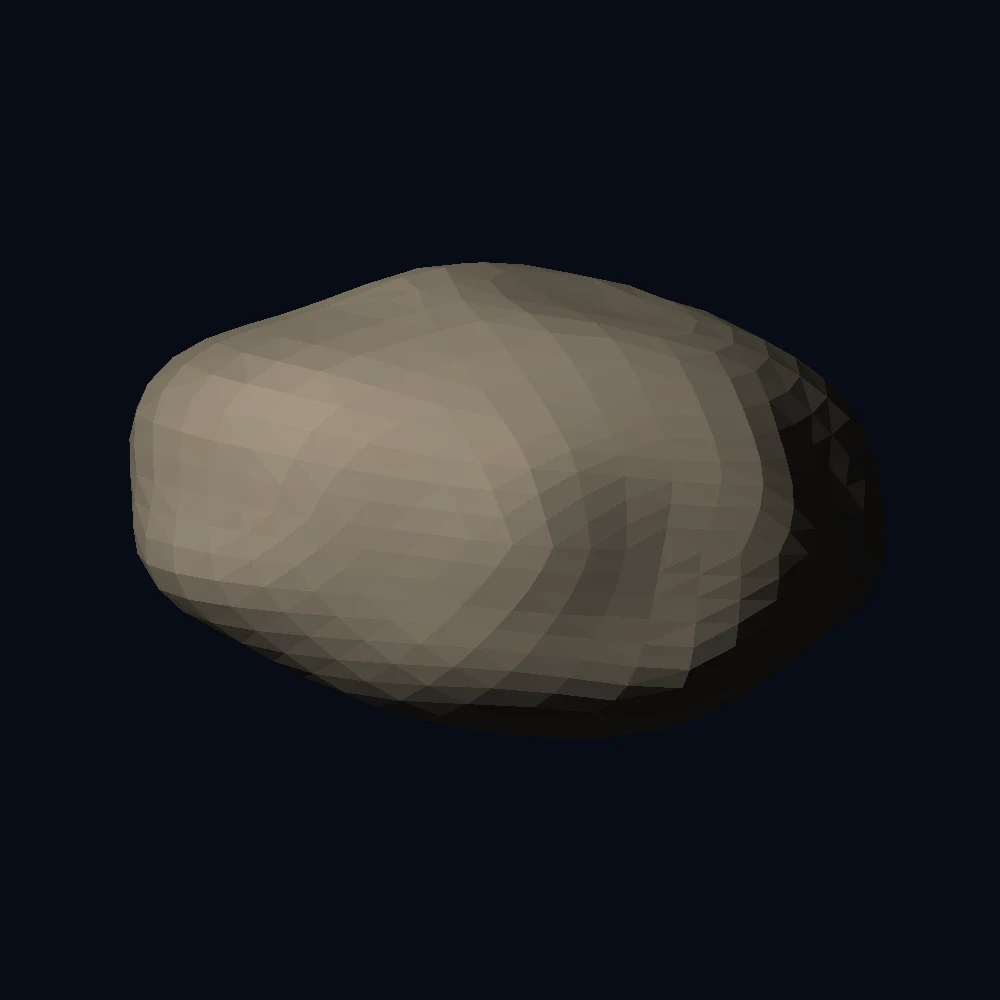
Psyche
Main-belt asteroid
A metal-rich main-belt asteroid that may preserve clues to the internal evolution of early bodies.
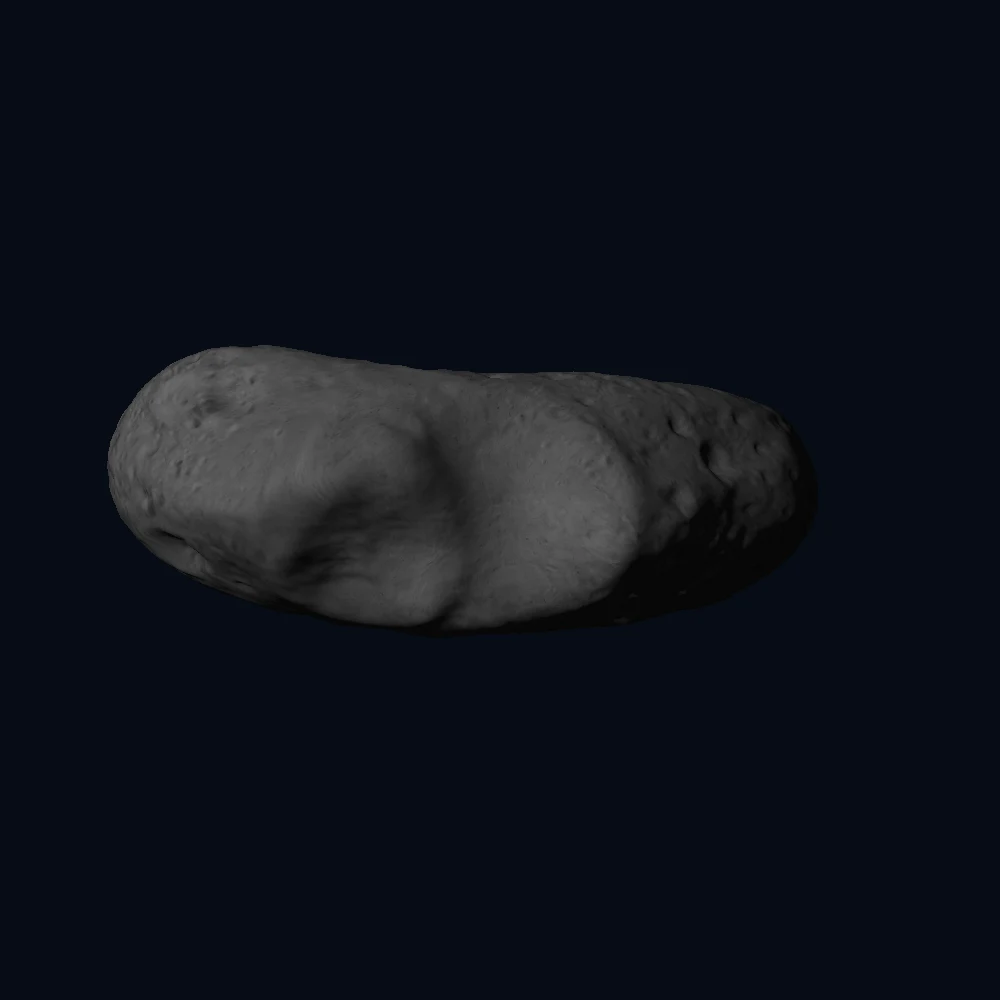
Eros
Near-Earth asteroid
An elongated near-Earth asteroid, Eros was the first asteroid orbited and landed on by a spacecraft.
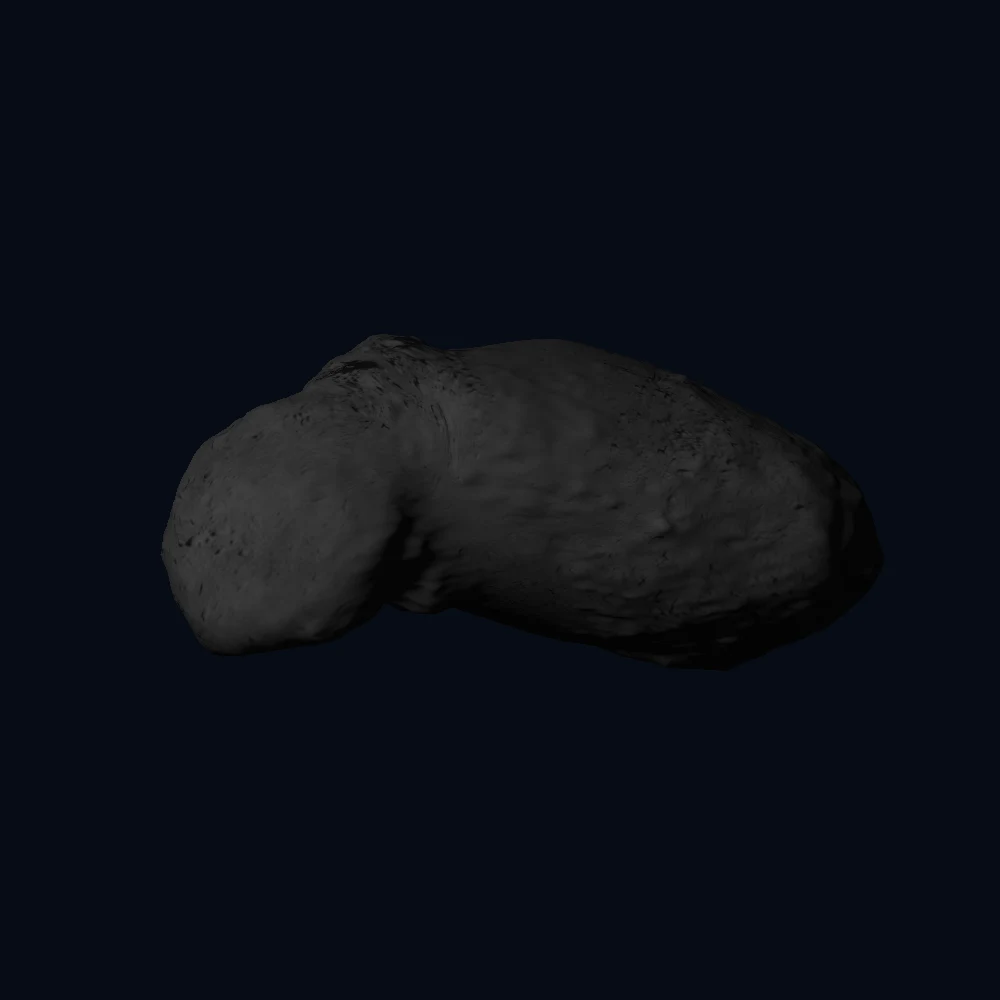
Itokawa
Near-Earth asteroid
A small near-Earth rubble pile whose dust was returned to Earth by Hayabusa.
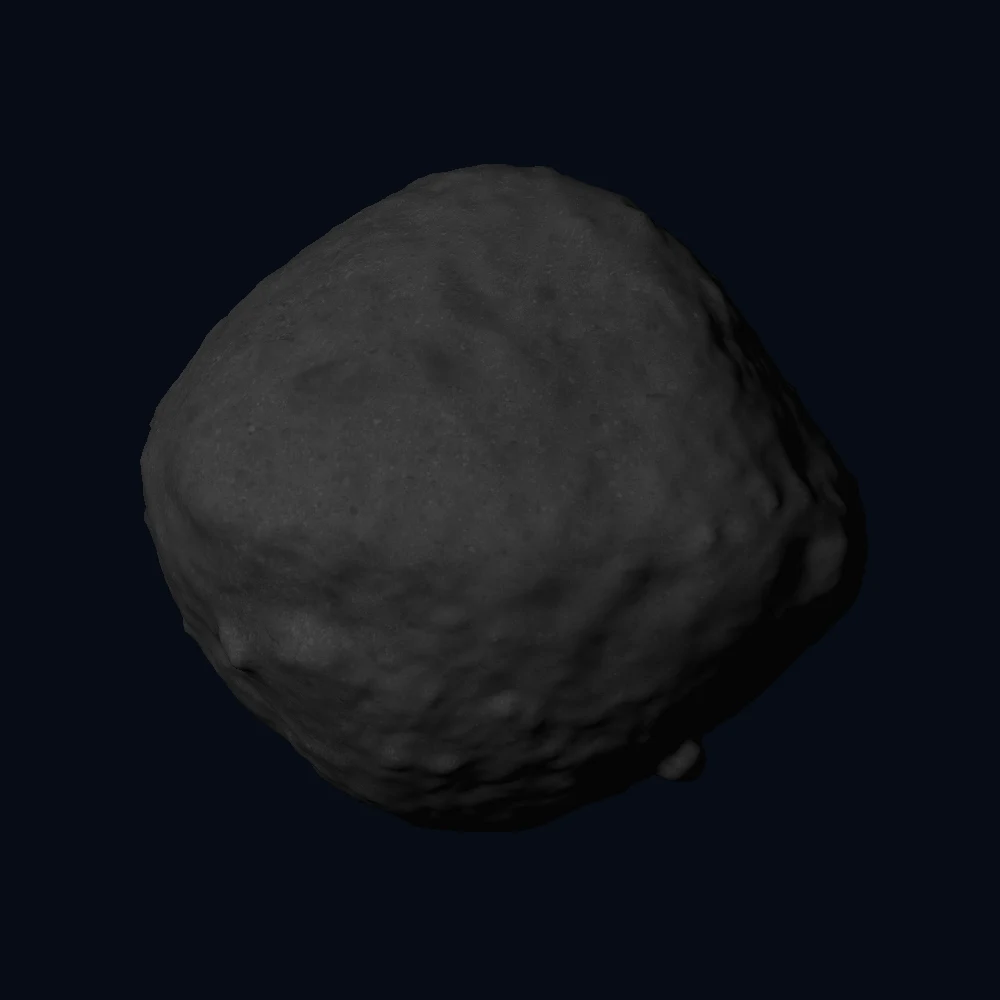
Bennu
Near-Earth asteroid
A carbon-rich, top-shaped near-Earth asteroid sampled by OSIRIS-REx.
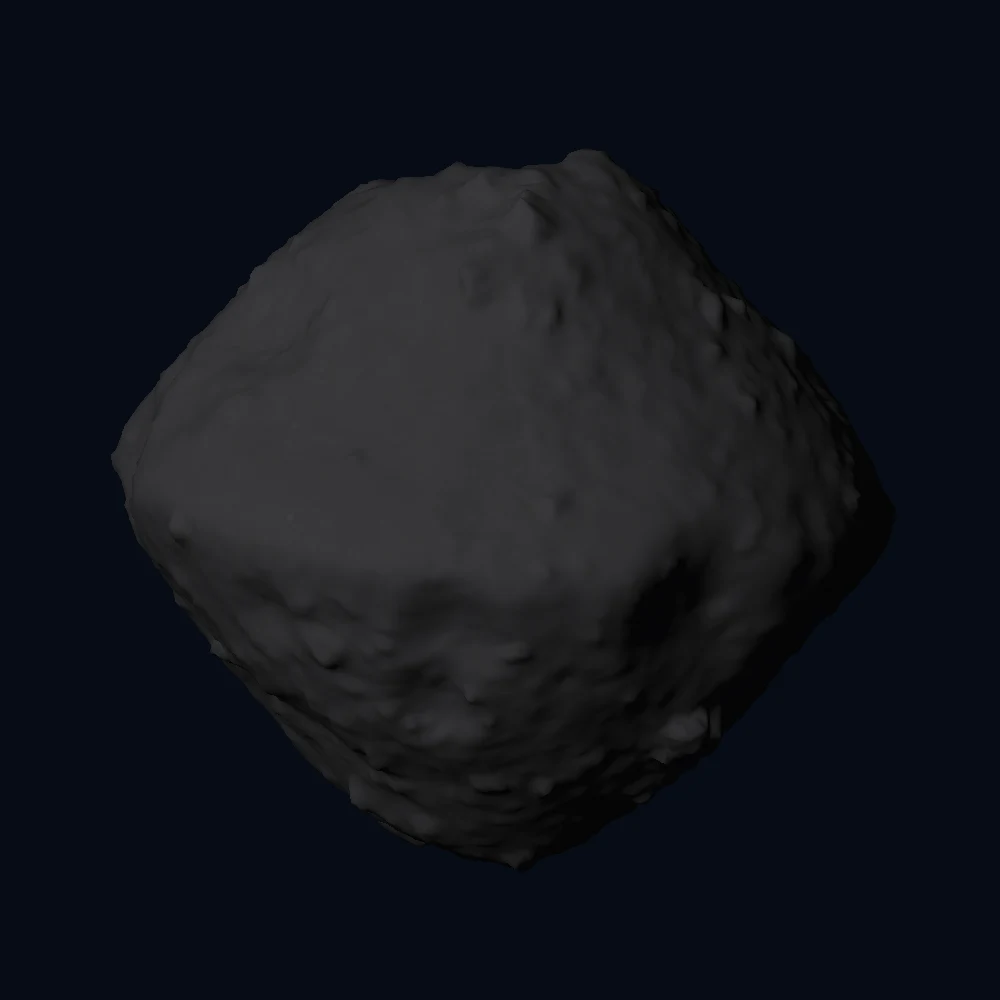
Ryugu
Near-Earth asteroid
A carbon-rich near-Earth asteroid visited by Hayabusa2, with an equatorial ridge and rubble-pile structure.
04 / Comets
Comets
Small bodies of ice and dust. Near the Sun, the warmed nucleus releases gas and dust that form a coma and tails.
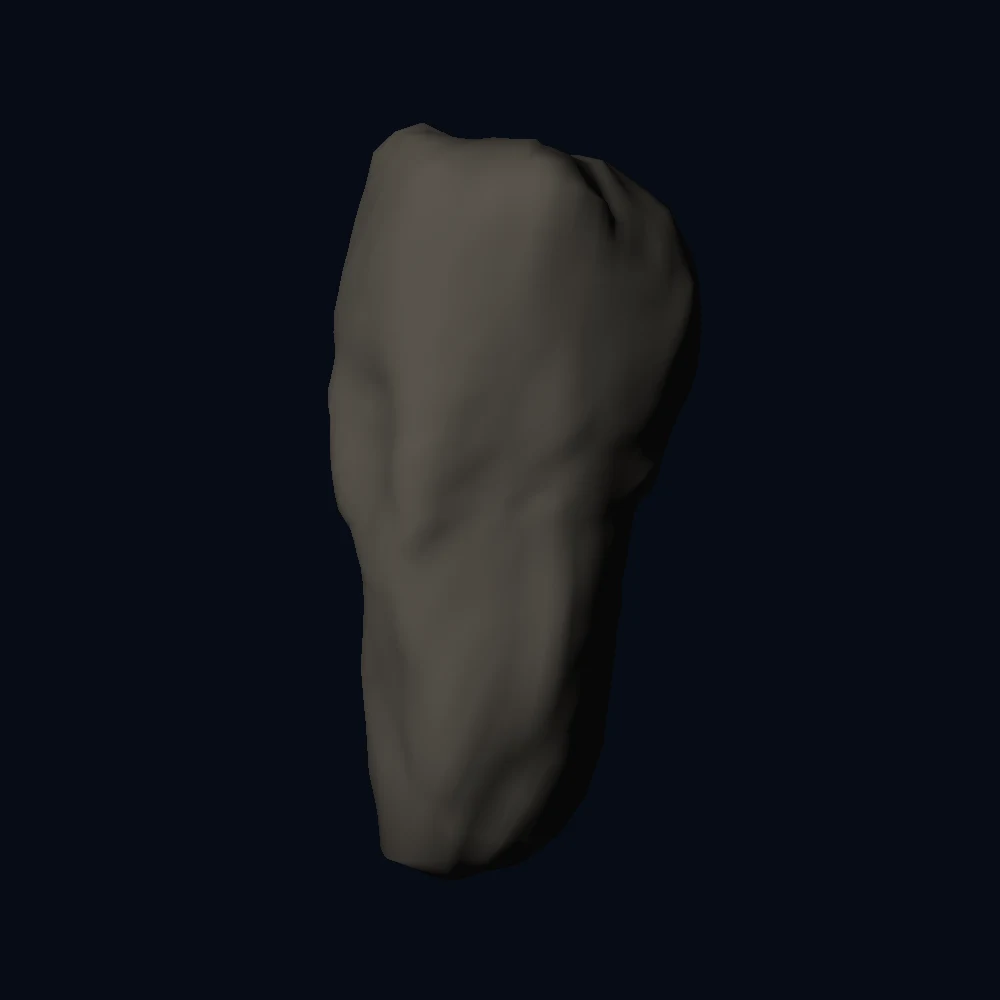
Halley's Comet 1P / HALLEY
A famous periodic comet returning roughly every 76 years. It orbits retrograde, from inside Venus's orbit to beyond Neptune.
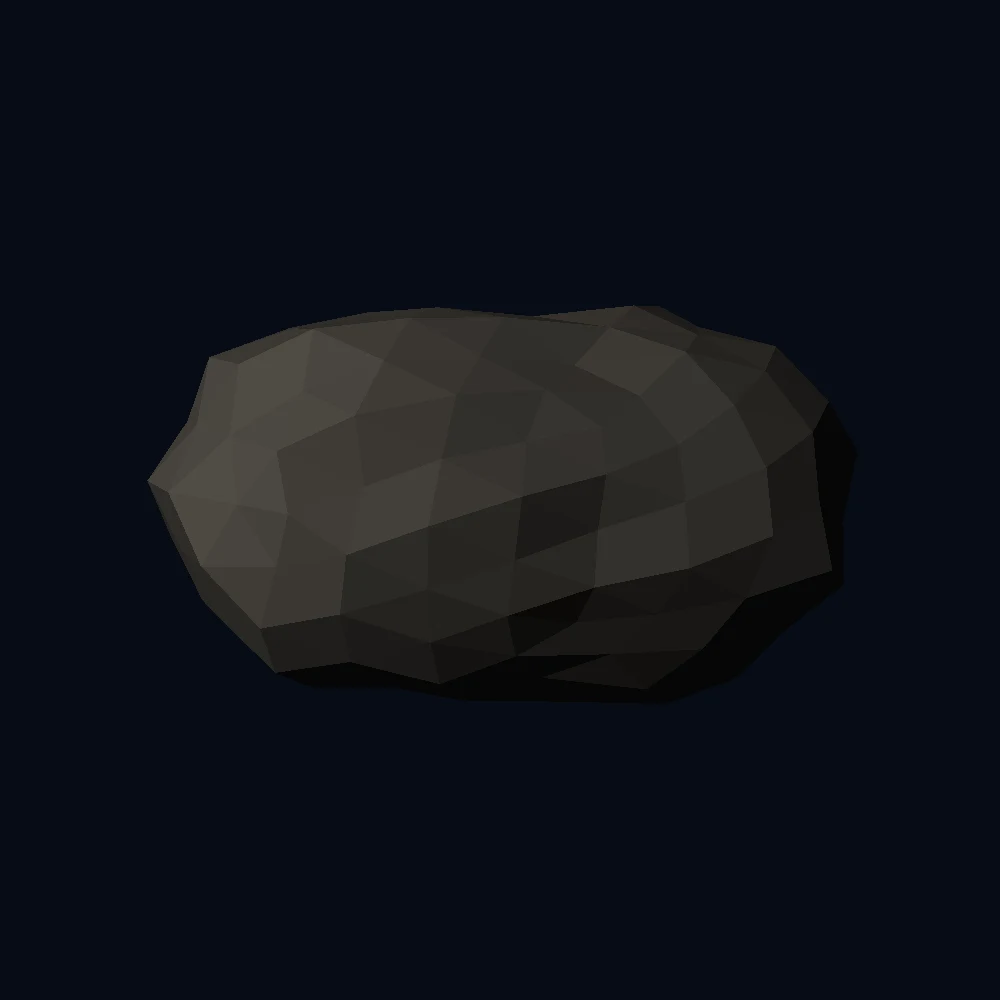
Encke's Comet 2P / ENCKE
A short-period comet orbiting the Sun in about 3.3 years, with a nucleus roughly 4.8 km across. It returns much more often than Halley's Comet.
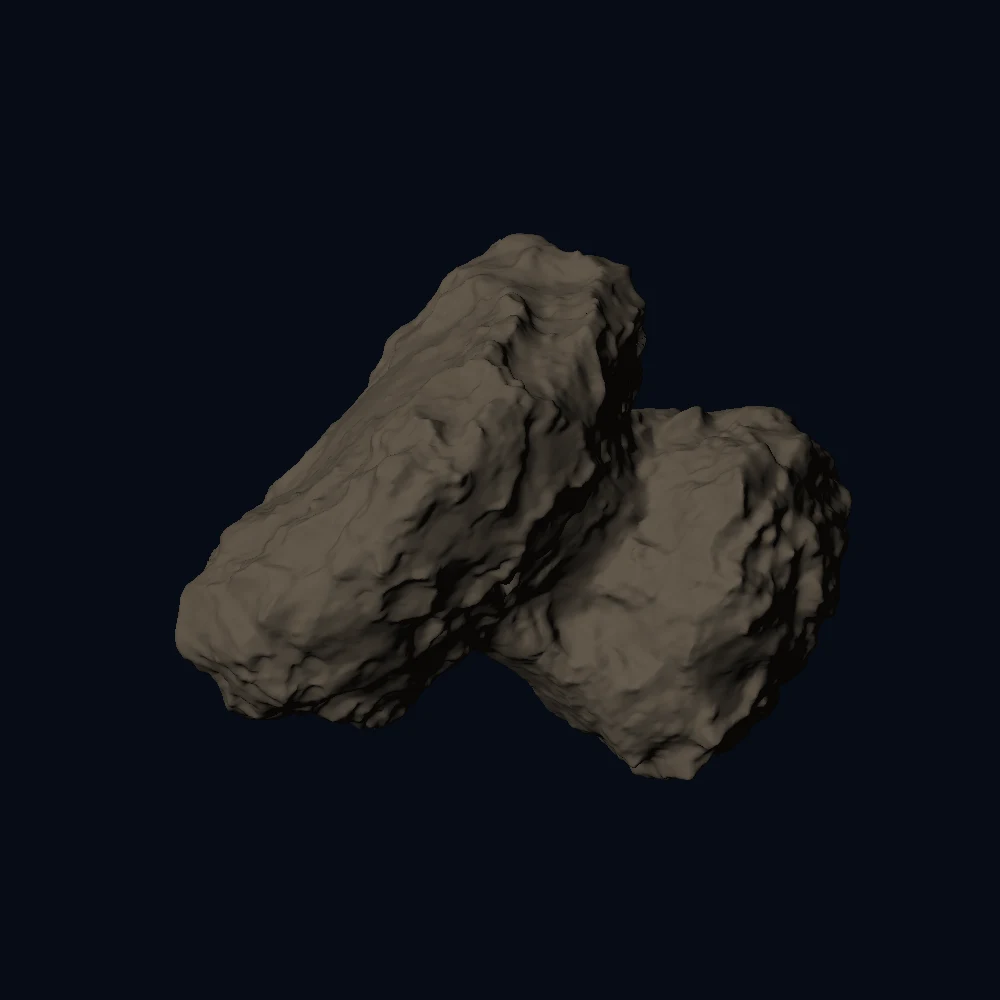
Comet 67P 67P / CHURYUMOV–GERASIMENKO
Churyumov–Gerasimenko was the destination of Rosetta. Jupiter's gravity has significantly altered this Jupiter-family comet's orbit.
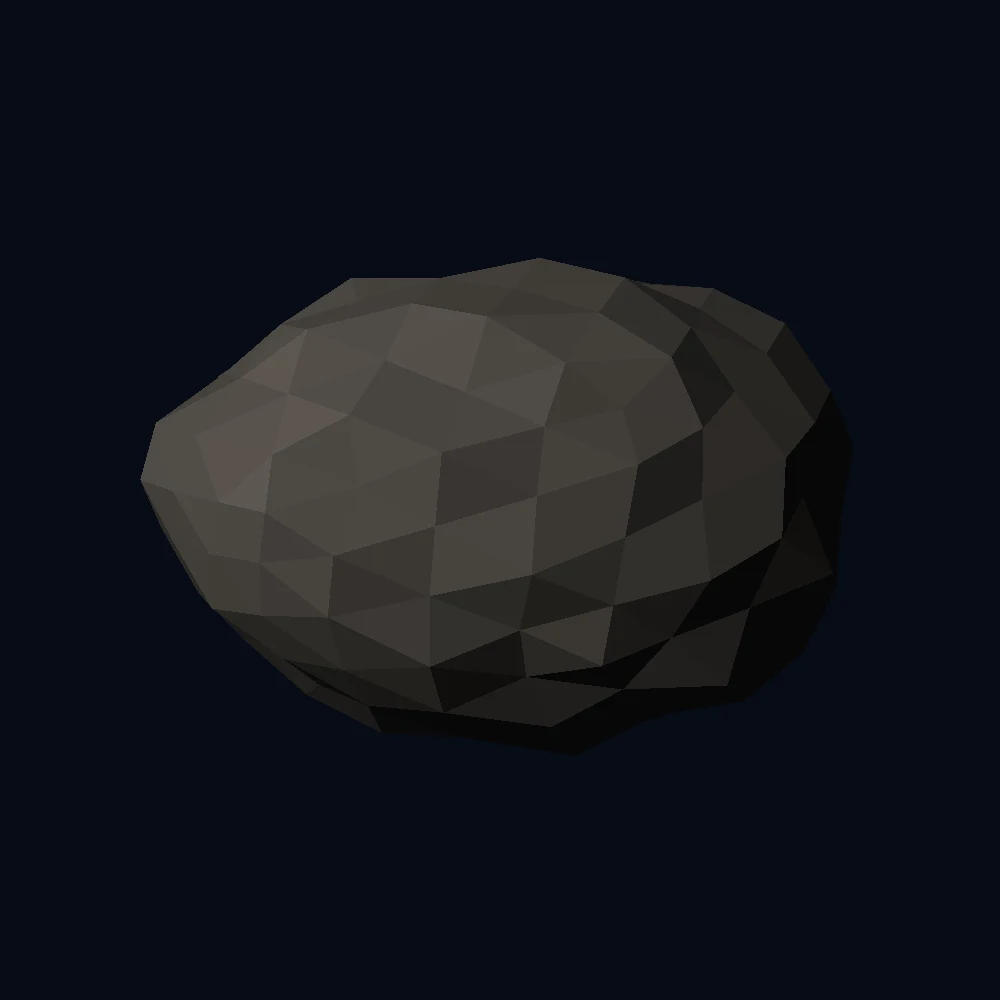
Hale–Bopp C/1995 O1 / HALE–BOPP
The great comet of 1997 had a huge nucleus and remained visible to the naked eye for a long time. Its steeply inclined orbit reaches far into the outer Solar System.